Chimney Inspection
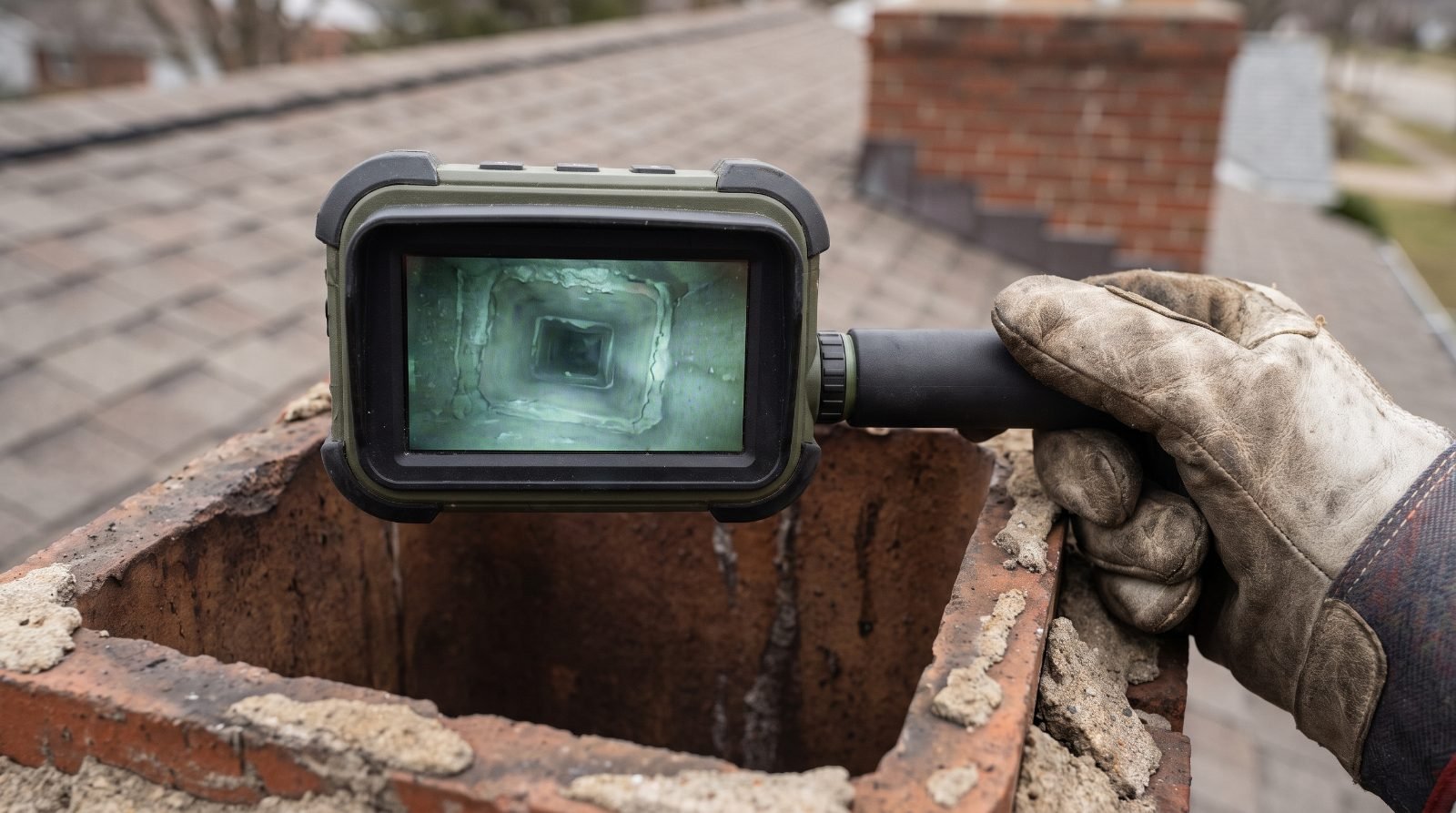
A camera down the flue, a look at the roof and the firebox, and a written report with photographs of everything we find.
Learn more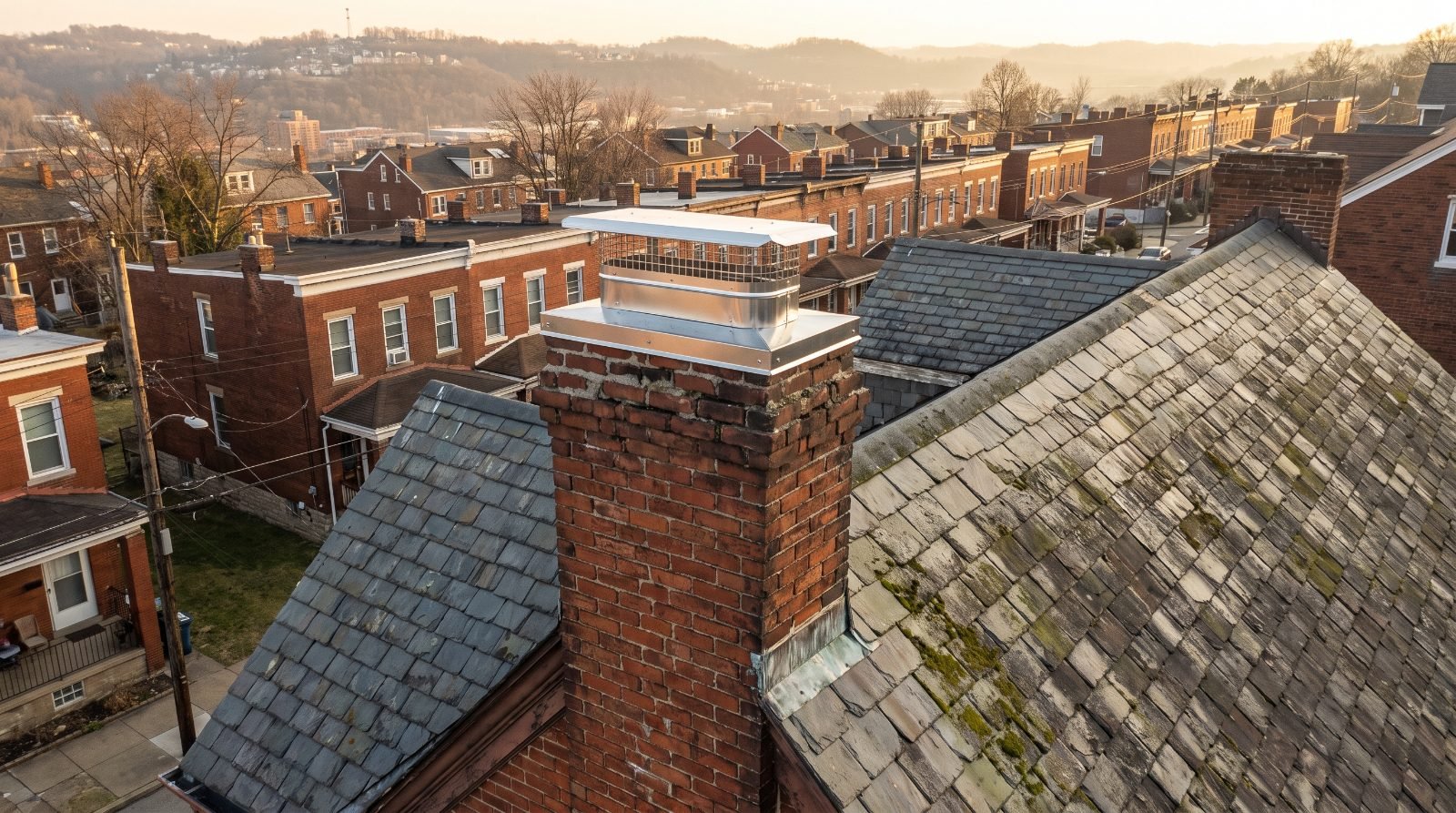
Serving Pittsburgh and five surrounding counties
Inspection, cleaning and masonry repair for chimneys that have been standing through Pittsburgh winters a lot longer than most of the houses under them.
Every other exterior surface on a house gets some protection. A chimney gets none. It stands in the weather on all four sides, it is usually the oldest masonry on the building, and in this region it is very often still the original stack that was built to carry coal smoke out of a house that has since been converted twice.
That combination is why chimney problems around Pittsburgh tend to look the same from the street and be completely different underneath. A spalling face in Bloomfield, a rusted chase cover in Cranberry and a cracked crown in Mt. Lebanon are three different repairs on three different kinds of structure, and the only honest way to price any of them is to go up and look.
So that is where we start. An inspection, photographs of what is actually there, and a written list of what needs doing now, what can wait, and what does not need doing at all.
Services
Five things, done properly, on masonry and factory-built chimneys alike.
A camera down the flue, a look at the roof and the firebox, and a written report with photographs of everything we find.
Learn more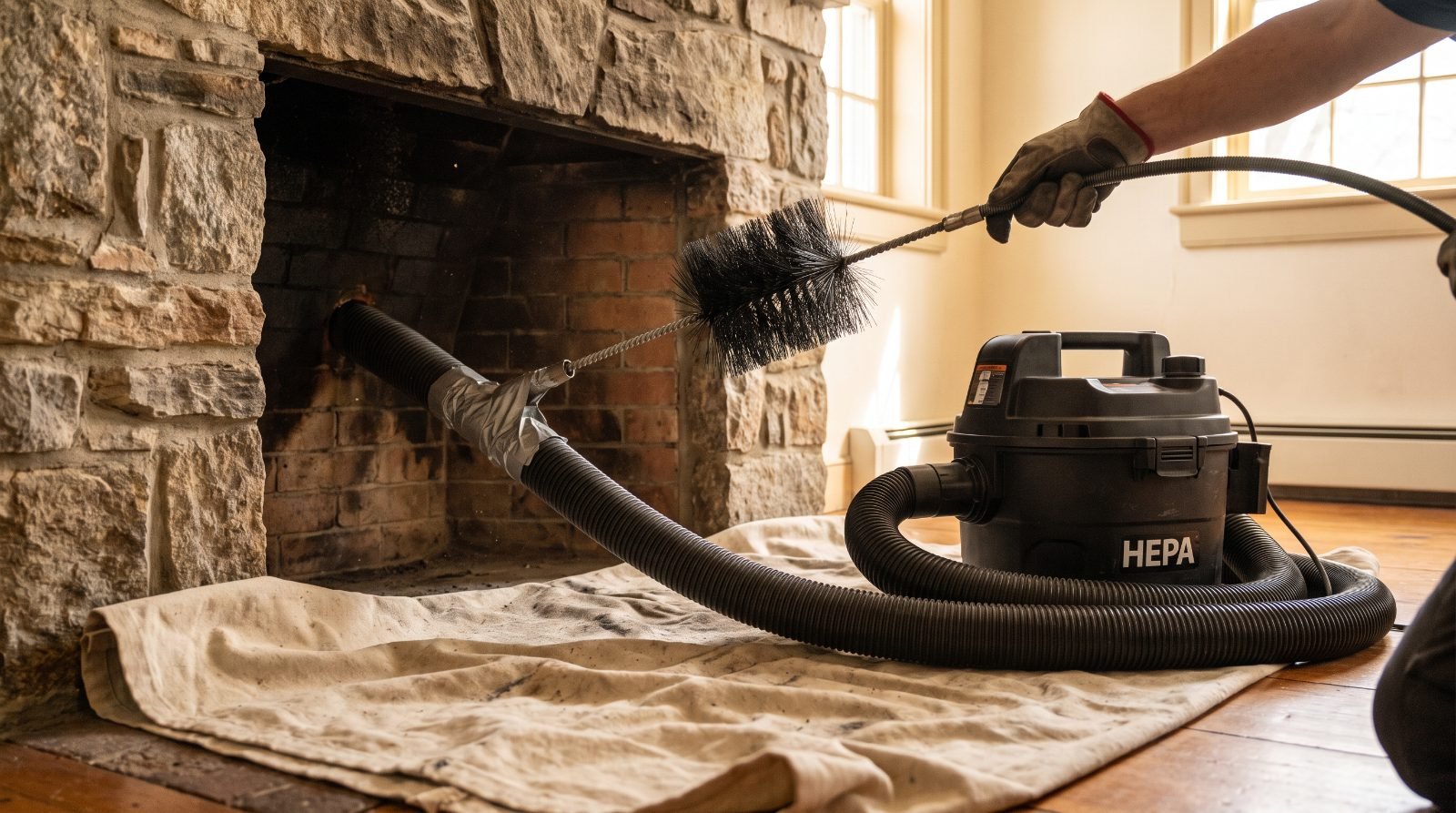
Creosote and soot out, with vacuum containment so nothing ends up on your floor. Before and after photographs of the flue.
Learn more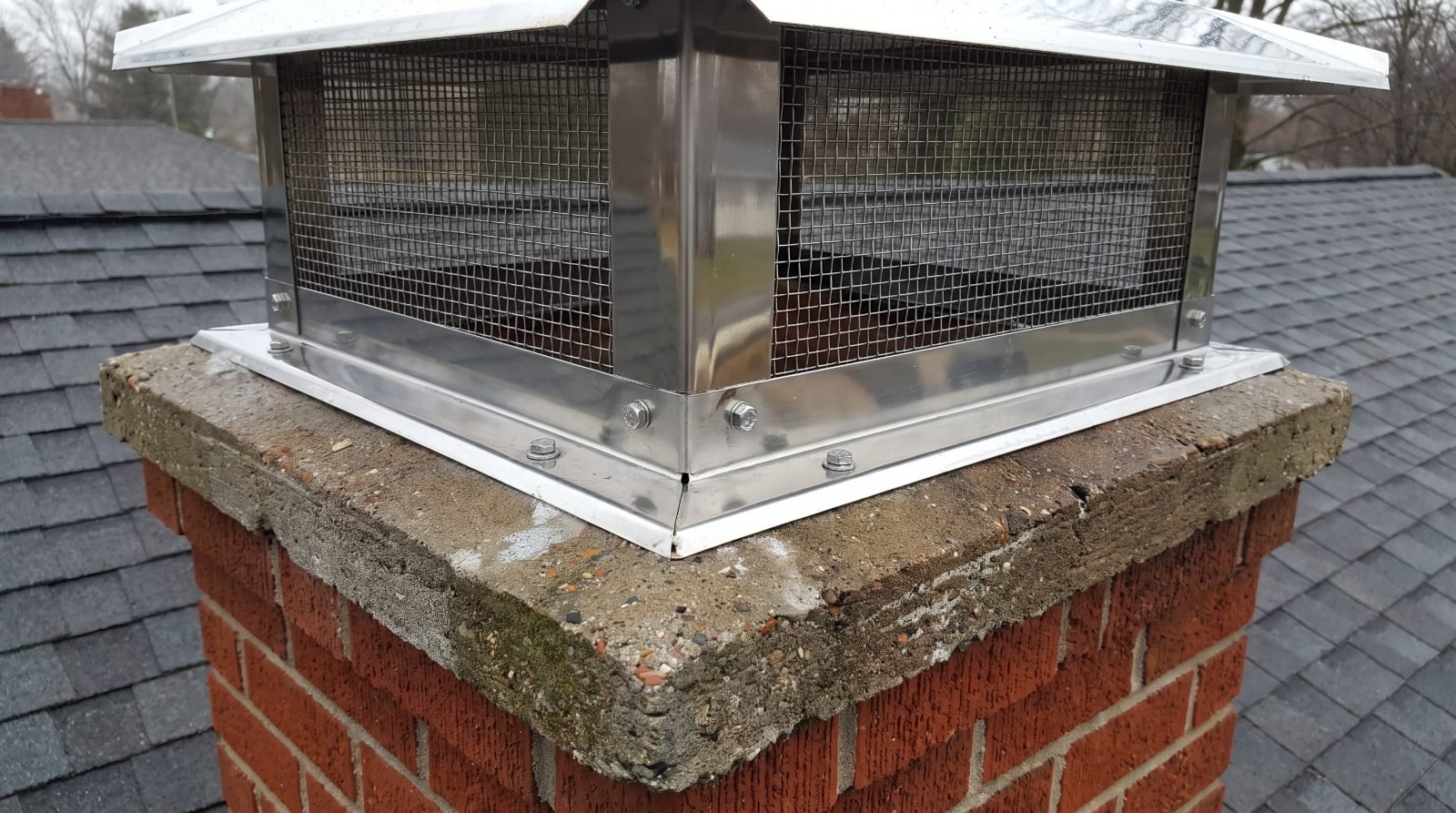
Stainless caps and custom multi-flue covers that keep rain, snow, birds and squirrels out of an open flue.
Learn more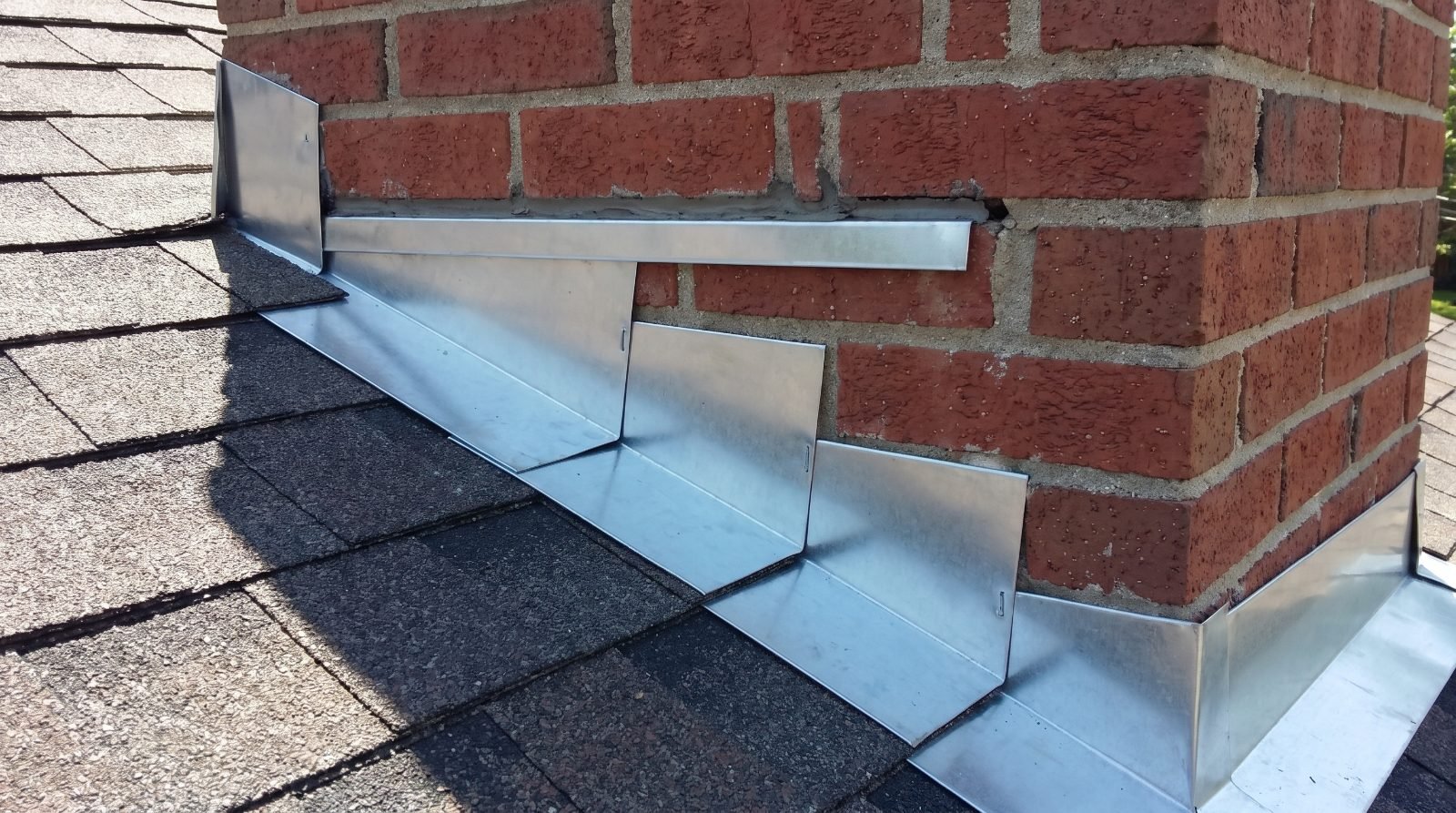
Stopping leaks where the chimney passes through the roof — with metal cut into the mortar joint, the way it is supposed to be done.
Learn more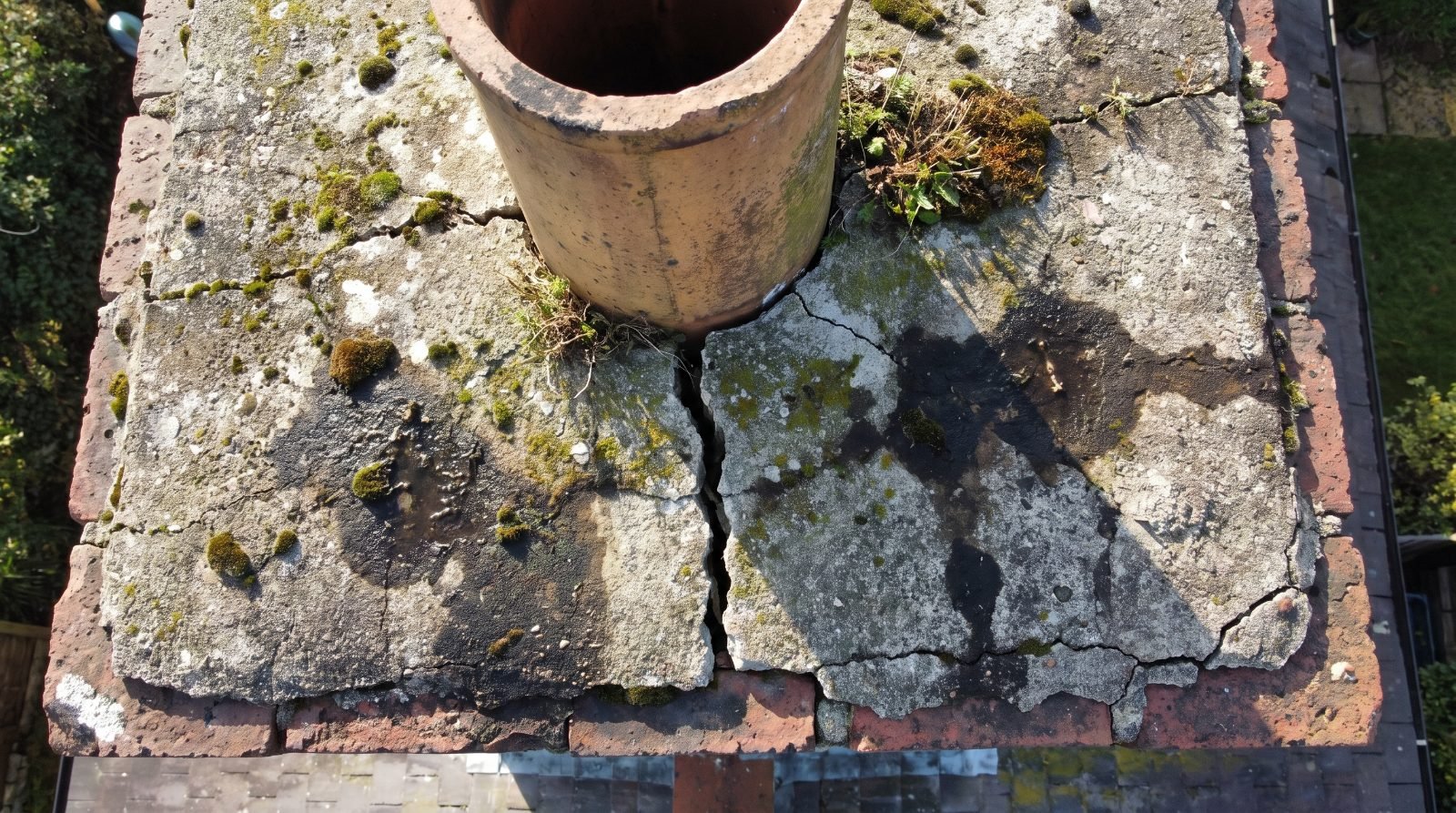
Repairing and recasting the concrete slab at the top of the chimney — the part that keeps water out of the masonry below it.
Learn moreYou see what we see — crown, flue, flashing, the top of the stack. No repair gets recommended without a picture of why.
A fixed price in writing before work starts. If we find something once we are up there, work stops and you get a call.
General liability and workers' comp, and PA Home Improvement Contractor registration. Ask and we will send the certificates.
We work the same six counties every week and know how houses in each of them were built.
Process
A phone call or the form. Age of the house, what you burn, what you're seeing. Half the time we can narrow it down before anyone drives out.
Roof and firebox, and a camera down the flue when the flue is the question. About an hour for a standard single-flue chimney.
Written, itemised, with photographs attached, and a plain sentence about what happens if you do nothing. Some chimneys can wait a year. We will say so.
Drop cloths, boot covers, and the site swept before we leave. You get after photographs of the same angles as the before ones.
Inspections take about an hour and you get photographs of everything we find, including the parts you cannot see from the ground.
Service areas
Pittsburgh and the five counties around it. Housing stock changes a lot between them, and so does the work.
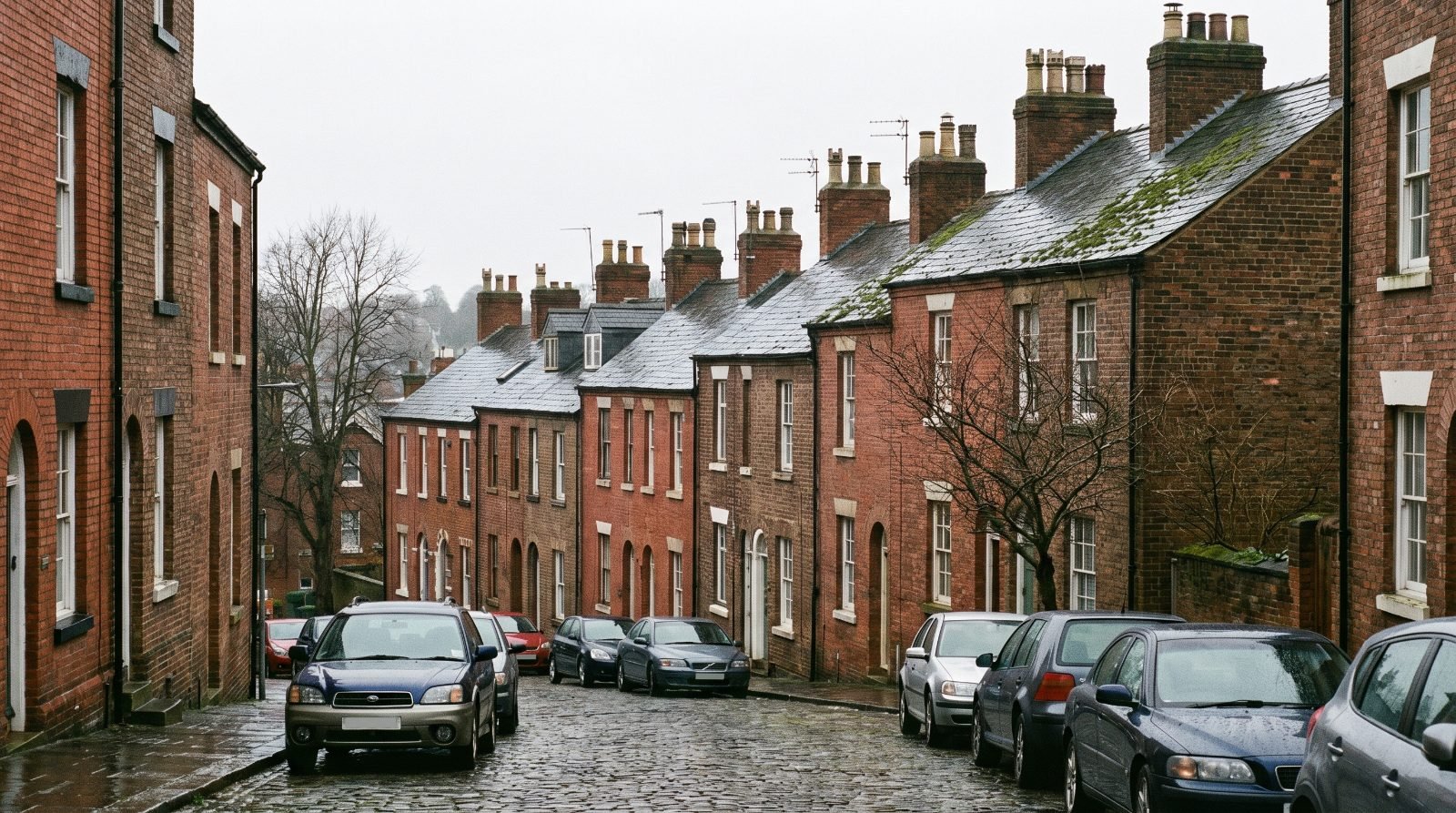
Pre-war brick, converted coal flues and hillside roof access — the city has its own set of chimney problems.
What we see there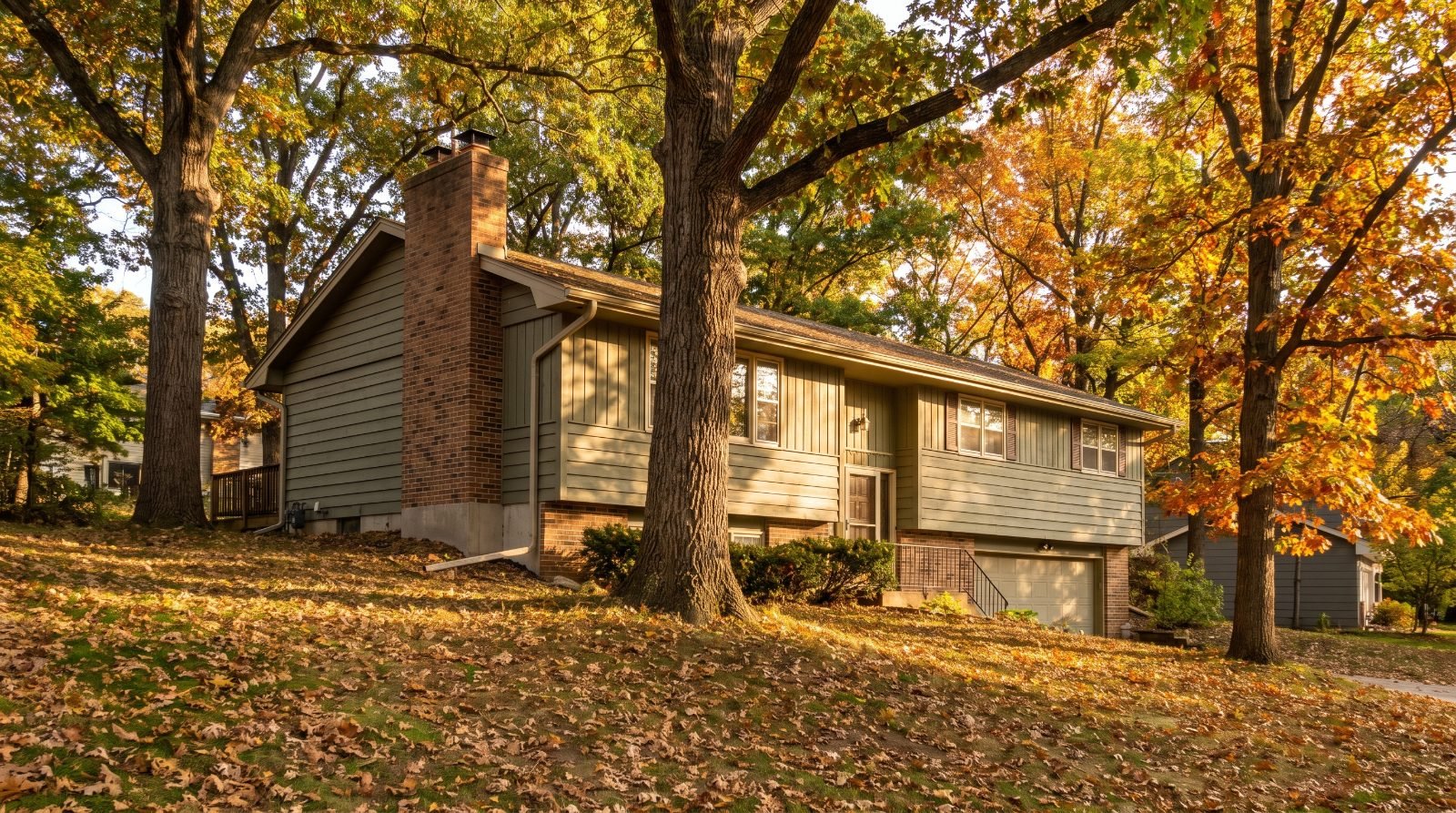
Two housing eras in one county: pre-war river boroughs and post-war suburban brick veneer, needing two different trades.
What we see there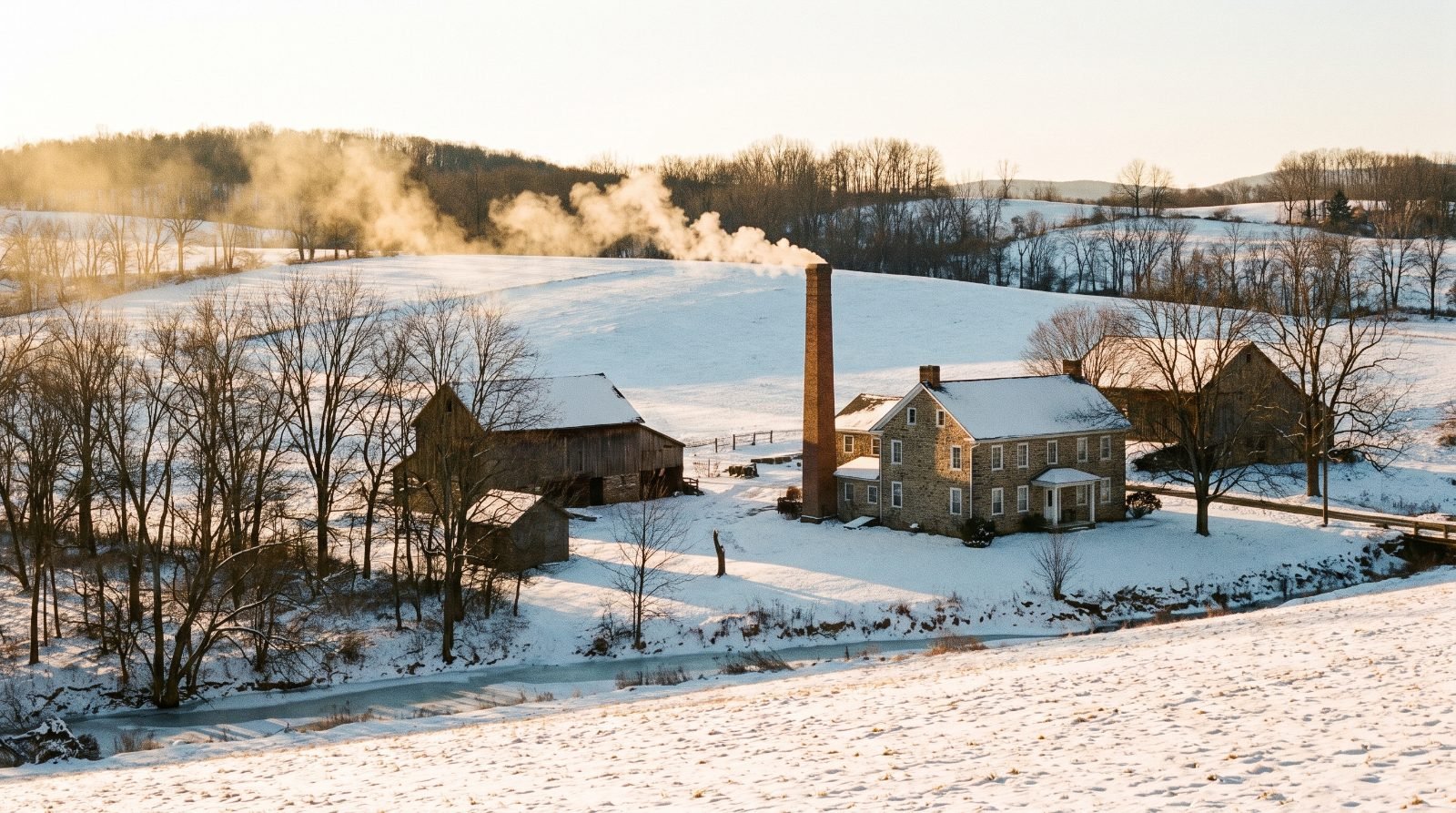
Where wood is real heat, not decoration — which means heavier creosote and a very different sweep schedule.
What we see there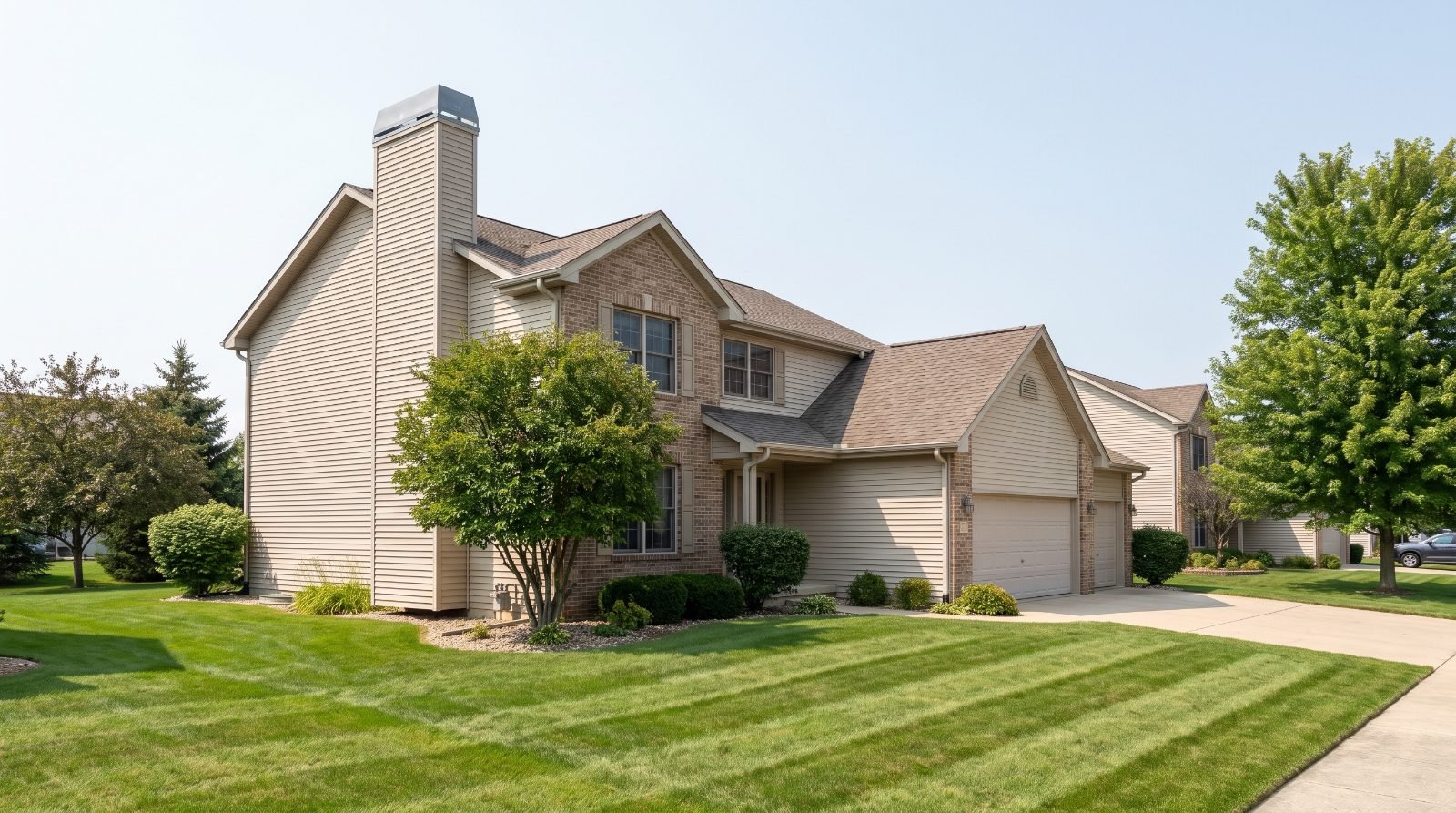
Nineteenth-century river-town brick at one end of the county and 1990s prefab fireplaces at the other.
What we see there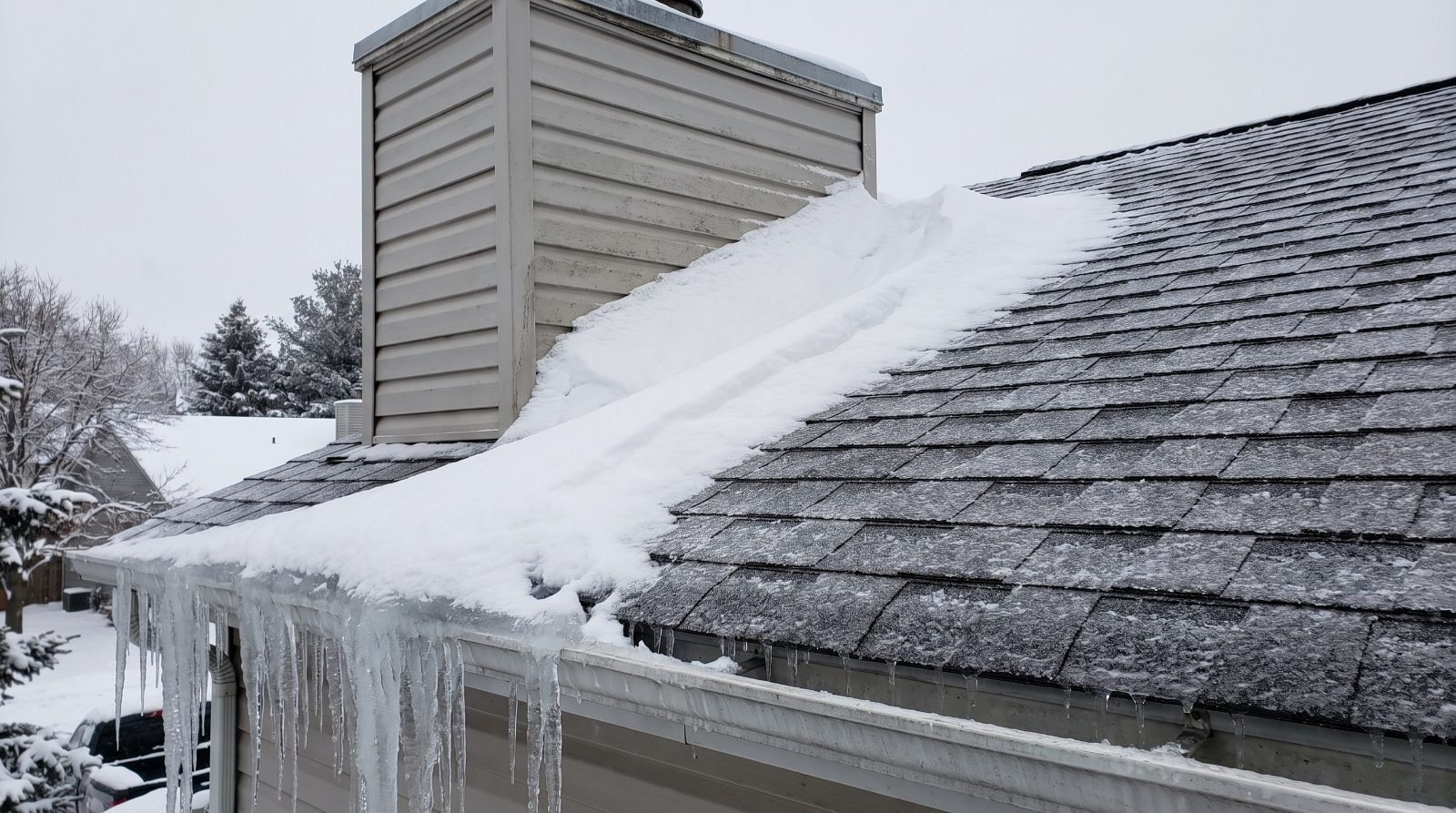
The county's new-build south and its hundred-year-old north need almost opposite work.
What we see there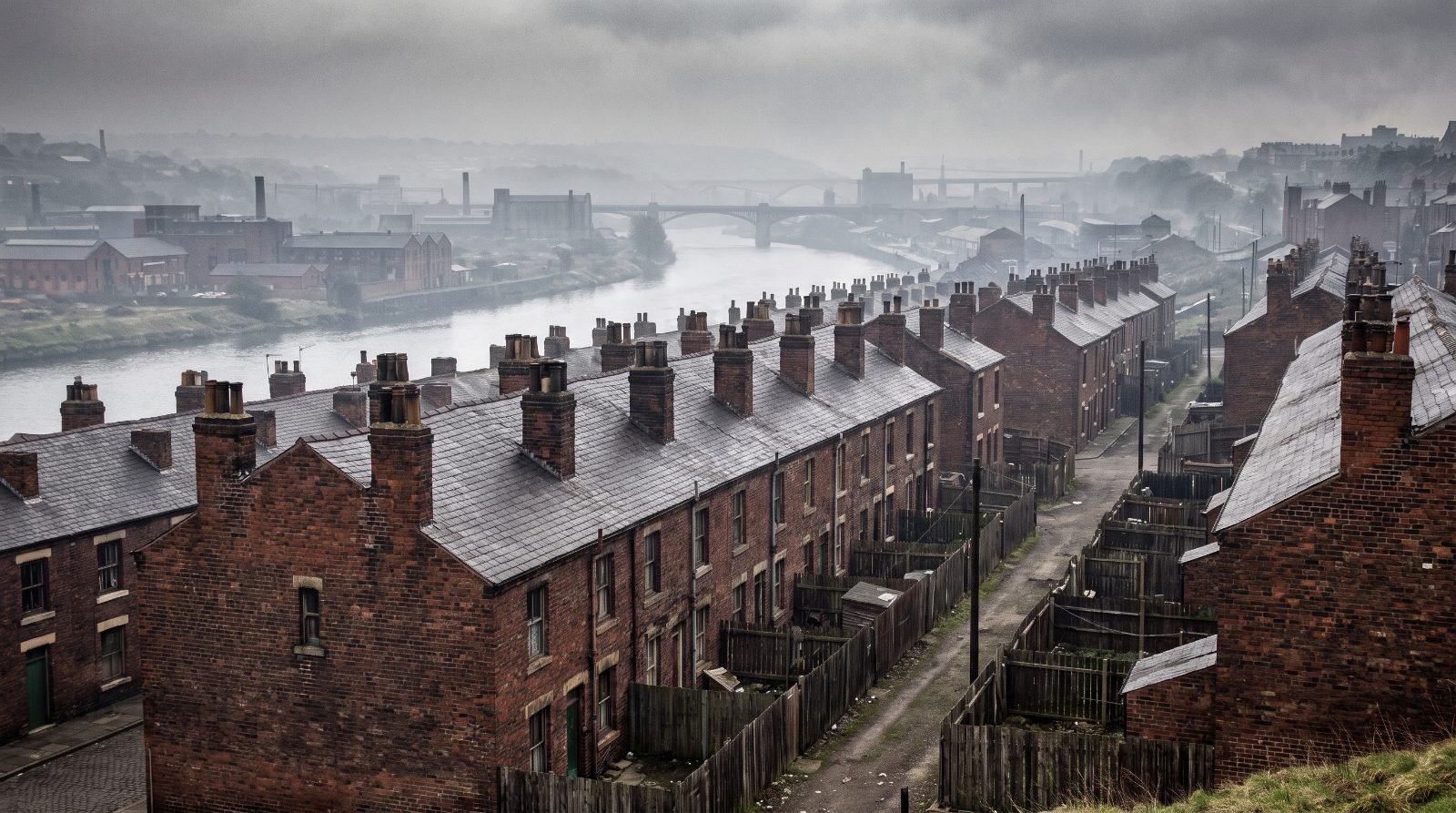
Dense mill-era housing along the Ohio and Beaver rivers, much of it still on its original flue.
What we see therePlenty of inspections end with 'sweep it, cap it, see you next year.' A chimney company that finds a $4,000 rebuild on every visit is telling you something about itself, not about your chimney.
A 1908 brick rowhouse in Lawrenceville, a 1962 brick-veneer chase in Bethel Park and a 2004 prefab firebox in Cranberry are three different trades. Recommending the same repair for all three is how chimneys get money spent on the wrong end.
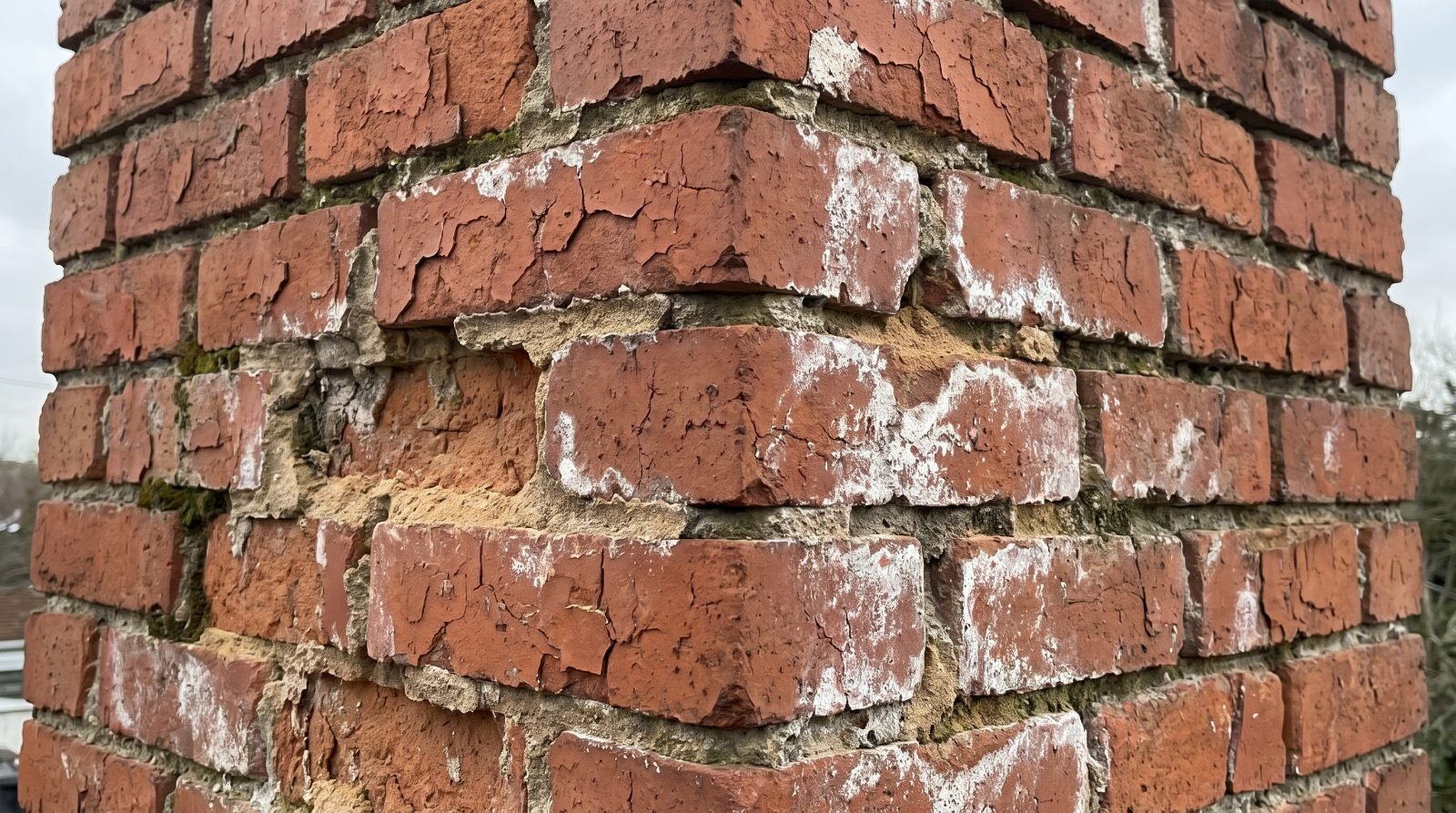
Repointing pre-1930 soft brick with modern hard Portland mix looks fine for two winters and then destroys the brick face. On historic masonry we match the mix to what is already there.
The person who inspected your chimney is on the roof when it gets fixed. Nothing gets handed to a subcontractor who never saw the original problem.
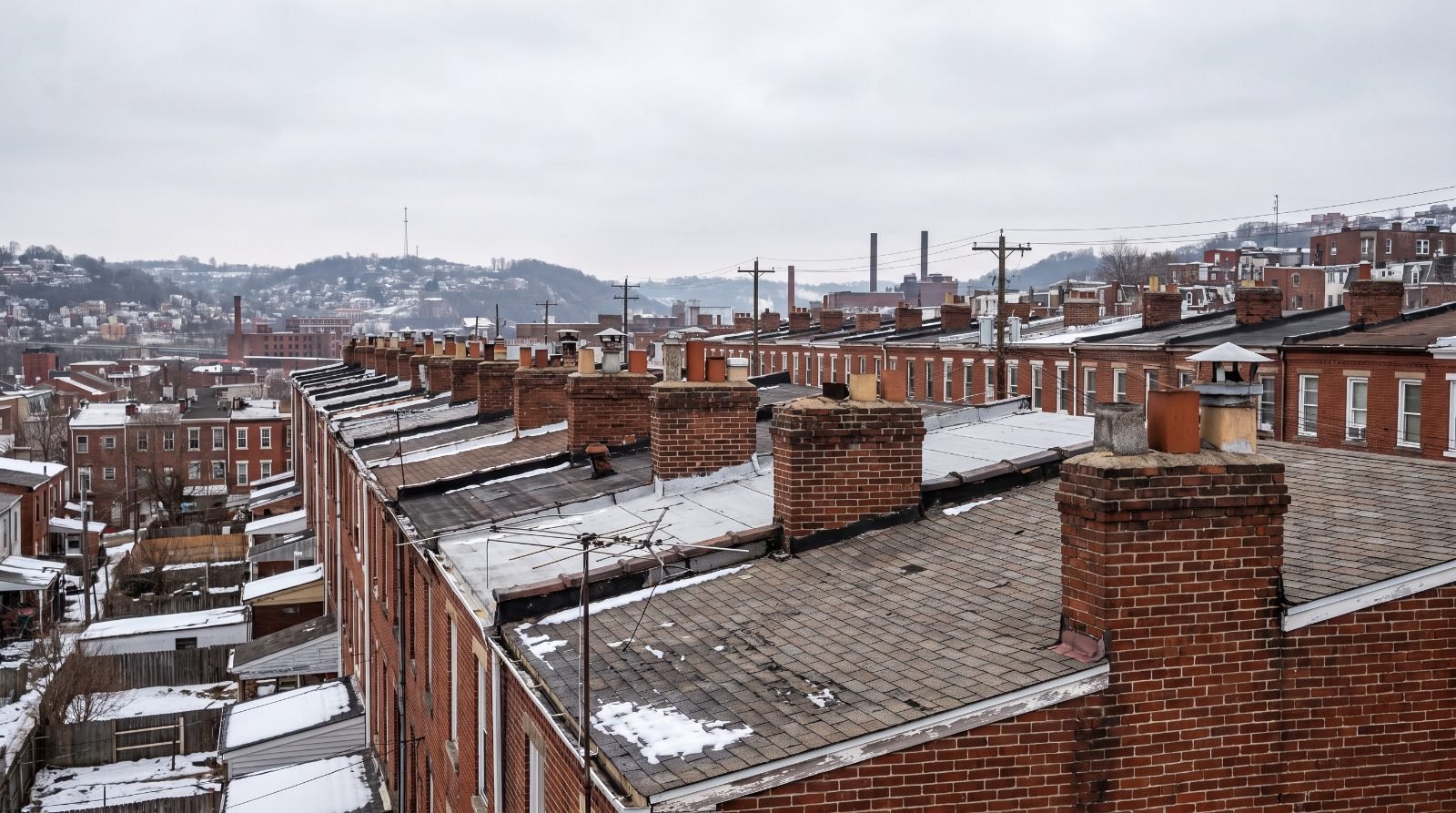
We are a small crew working the western Pennsylvania market. That is deliberate. Chimney work is one of the trades where knowing the local building stock does most of the diagnostic work for you — you can guess a lot about a chimney from the decade and the neighbourhood before you have seen it.
It also means we are not incentivised to sell you a rebuild. We would rather sweep your chimney every autumn for fifteen years than sell you one large job you did not need and never hear from you again.
NFPA 211, the standard everyone in this trade works to, calls for an inspection once a year on any chimney that vents anything — wood, gas or oil. Sweeping is a separate question and depends on use: the rule of thumb is that once creosote reaches about an eighth of an inch it comes out. A fireplace burned a dozen times a winter may go two or three years between sweeps. A wood stove used as real heat, which is common in Westmoreland and rural Butler County, often needs sweeping every single season and sometimes mid-season.
Small jobs land between roughly $150 and $600 — an inspection, a sweep, a stainless cap. Masonry work runs from around $400 for a crown coat to $2,200 for a rebuilt cast crown, and a full rebuild above the roofline is typically $1,500 to $4,500 depending on how far down the damage goes. Relining is the big one, usually $2,500 to $5,500. Those are planning ranges for this market, not quotes — the number for your chimney comes after someone has been on your roof.
Usually the chimney, and usually one of four things: a cracked or missing crown at the top, failed flashing where the chimney meets the roof, an open flue with no cap, or brick that has become porous enough to soak water straight through. Those four have very different price tags, which is why the first visit is an inspection rather than a repair. A stain that appears only on the ceiling next to the chimney breast, and only in wind-driven rain, is usually flashing.
Freeze-thaw. Water gets into brick and mortar, freezes, expands about nine percent, and pushes the face off the brick — and this region runs through dozens of freeze-thaw cycles in a normal winter, far more than a colder-but-drier climate would. Add masonry that is often a century old and was built for coal, and the chimney is the part of the house taking the worst of it because it is wet on all four sides with no roof over it.
A general home inspector can only do a visual, from the ground and the firebox. What gets asked for next is a Level 2 inspection — that means a camera down the flue and a look at accessible parts of the chimney in the attic and basement. NFPA 211 calls for a Level 2 whenever a property changes hands. It is the fastest way to turn a vague red flag on a report into either a real repair list or a written all-clear you can hand the buyer.
Yes, and in this region it matters more than people expect. An enormous number of chimneys here were built to carry coal smoke, then converted to gas or oil in the 1940s through the 1960s. Gas exhaust is cooler and wetter, and a flue sized for coal is far too big for it, so the exhaust cools on the way up and condenses inside the chimney. That moisture is acidic and it eats clay liners and mortar joints from the inside where you cannot see it. Unlined or oversized flues on gas appliances are one of the most common serious findings we write up.
Most people call us because of a smell, a stain on the ceiling, or a home inspector's note they don't understand. Tell us what you're seeing and we'll tell you what it usually means — before anyone books anything.