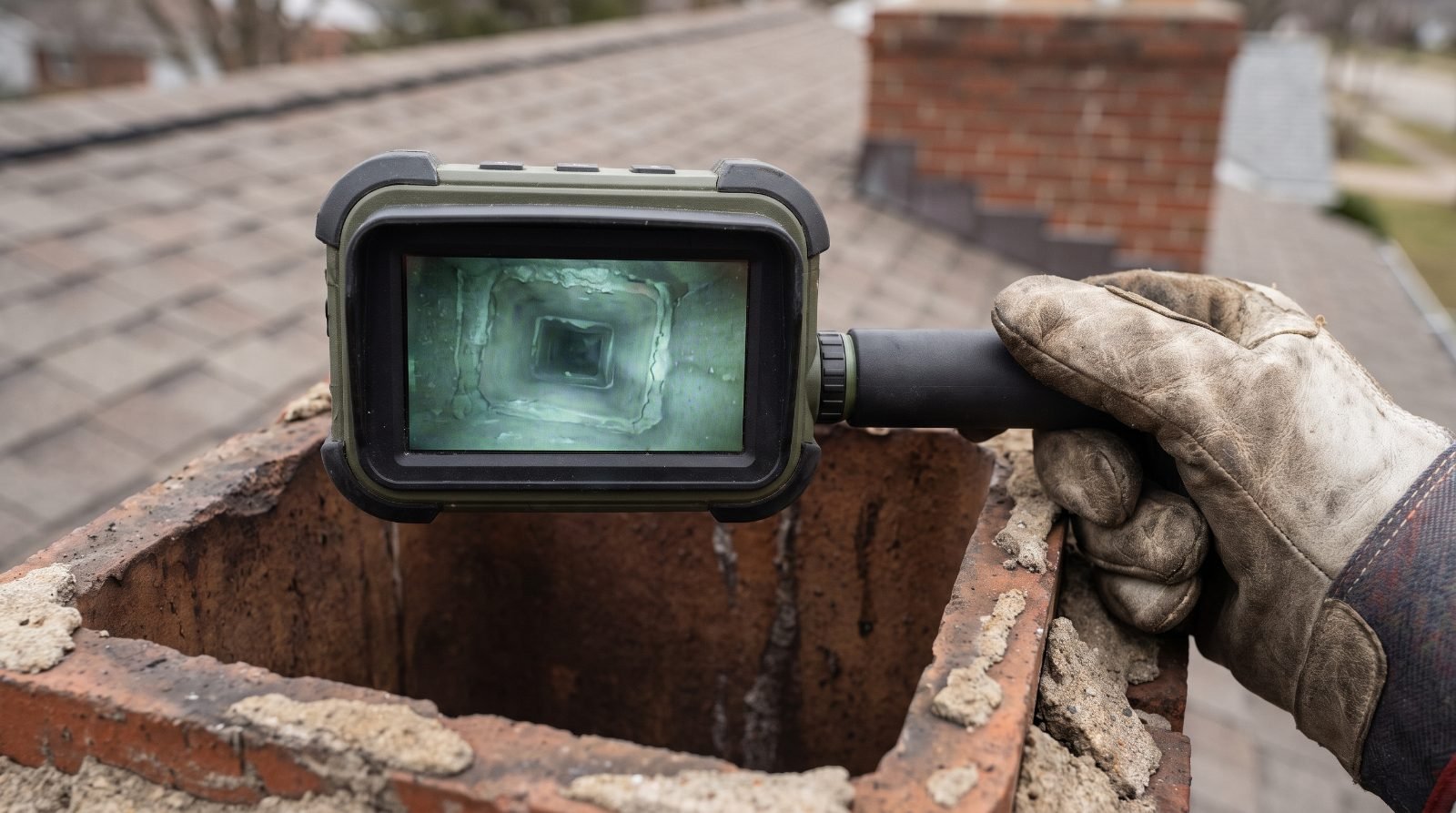
Chimney Inspection
A camera down the flue, a look at the roof and the firebox, and a written report with photographs of everything we find.
Learn more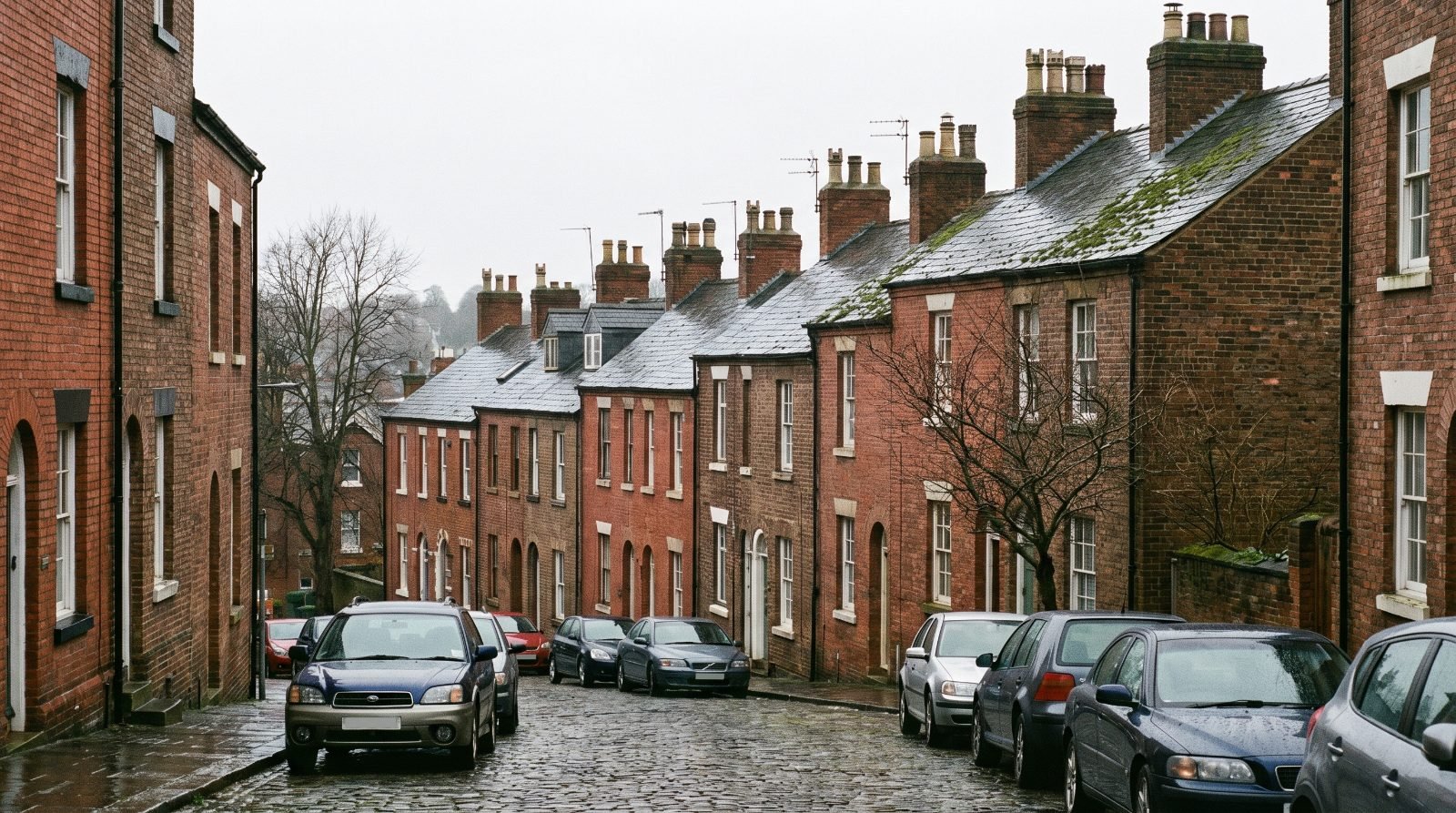
Service area
Pre-war brick, converted coal flues and hillside roof access — the city has its own set of chimney problems.
The city's residential building stock is largely from 1890 to 1930, and that single fact drives almost everything about chimney work inside the city limits. These are brick houses with brick chimneys, built by masons using lime-rich soft mortar, and most of them were built to carry coal smoke.
That last point is not a historical footnote. When those houses converted to gas and oil through the 1940s, 50s and 60s, the flue mostly stayed as it was — sized for coal, unlined or lined with clay tile that is now eighty years old. Gas exhaust is cooler and much wetter than coal smoke, and in a flue that large it never gets warm enough to stay as vapour. It condenses on the way up, runs back down the inside, and the acidic moisture works on the liner and the joints from a surface nobody ever sees. Oversized and unlined flues on modern appliances are the most common serious finding we write up inside the city.
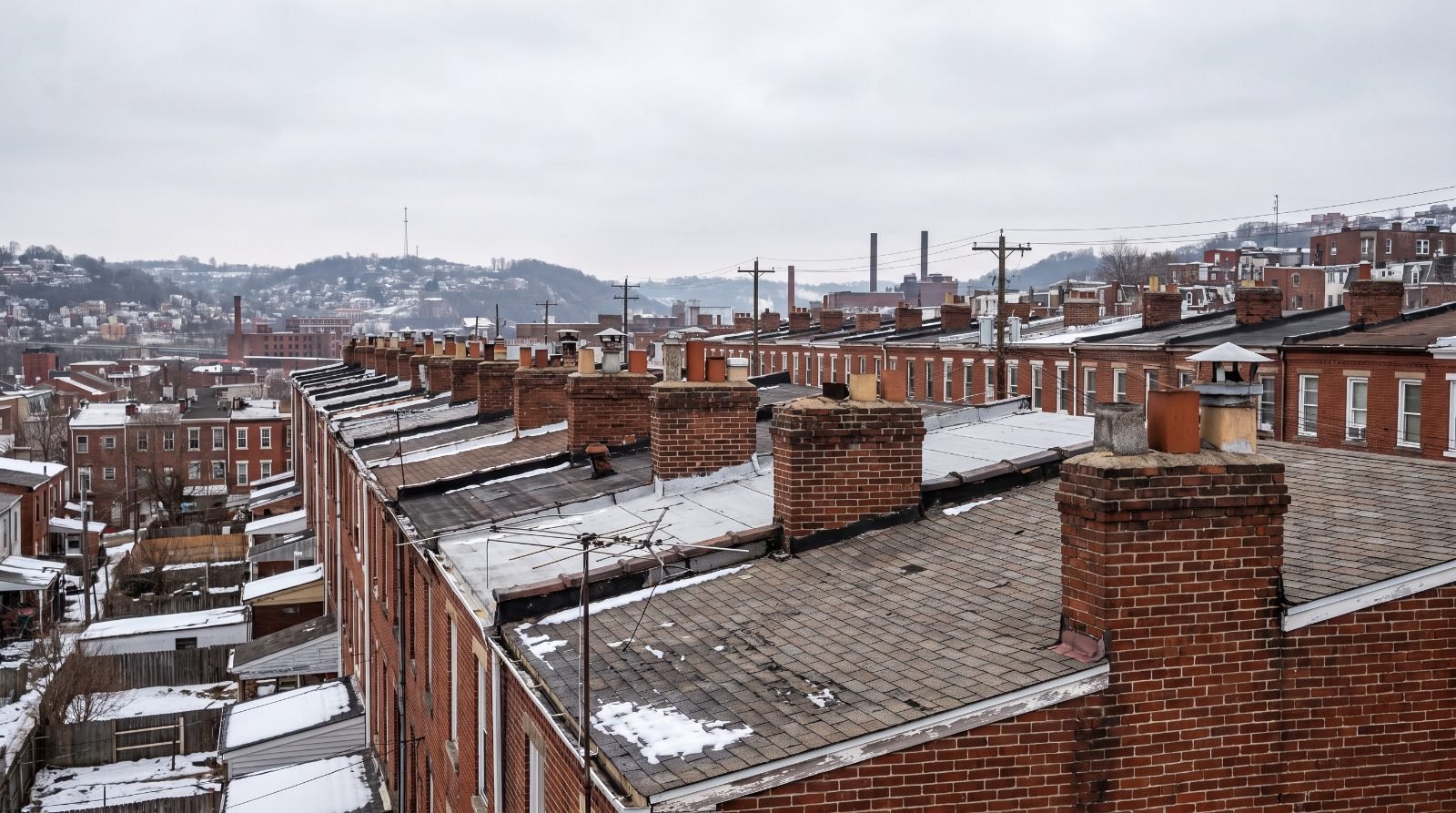
In Lawrenceville, Bloomfield, Polish Hill, the South Side and much of the North Side, houses are attached and chimneys are frequently on the party wall — one stack serving two homes, sometimes with the crown spanning both. That has practical consequences: a crown recast or a repointing job above the roofline is a conversation with your neighbour before it is a quote, because the top of that chimney is not entirely yours. We are used to it and will lay out clearly which portion is whose. It is also why a leak in one house is so often caused by neglect on the other side of the wall.
Pittsburgh's topography does real work on the price of a job. On the Slopes, Troy Hill, Mount Washington, Fineview and Duquesne Heights, houses sit on grades where a ladder simply cannot be footed safely, and access means staging or a roof-hook setup rather than a truck and a ladder. Slate roofs are common on the better pre-war stock in Highland Park, Shadyside and parts of Squirrel Hill, and slate cracks underfoot if you do not know where to stand. Neither is a problem, but both are why an honest city quote is higher than the same job in a flat suburb, and why anyone quoting your hillside house sight-unseen over the phone is guessing.
Work in the city goes through the Department of Permits, Licenses and Inspections. If your house sits in a City-designated historic district — the Mexican War Streets, Manchester, Deutschtown, Allegheny West, parts of Lawrenceville and Oakland among others — visible exterior masonry changes can also need Historic Review Commission sign-off, and the mortar you repoint with may need to match the original in colour and composition. This is worth knowing before work starts rather than after. It is also, separately, the right way to do it: modern hard Portland mortar in a soft historic brick wall is stronger than the brick, so the brick face takes the movement instead of the joint and spalls off within a few winters.
The city's older open flues are prime nesting sites for chimney swifts through the summer months, and the birds are federally protected. If we find an active nest we cap the chimney after they have fledged rather than sealing them in. Expect us to raise it — it is common here, and it is a delay of a few weeks, not a cancelled job.
Not on the list? If you are within about 45 minutes of the city we almost certainly cover you — call and ask.
A camera down the flue, a look at the roof and the firebox, and a written report with photographs of everything we find.
Learn more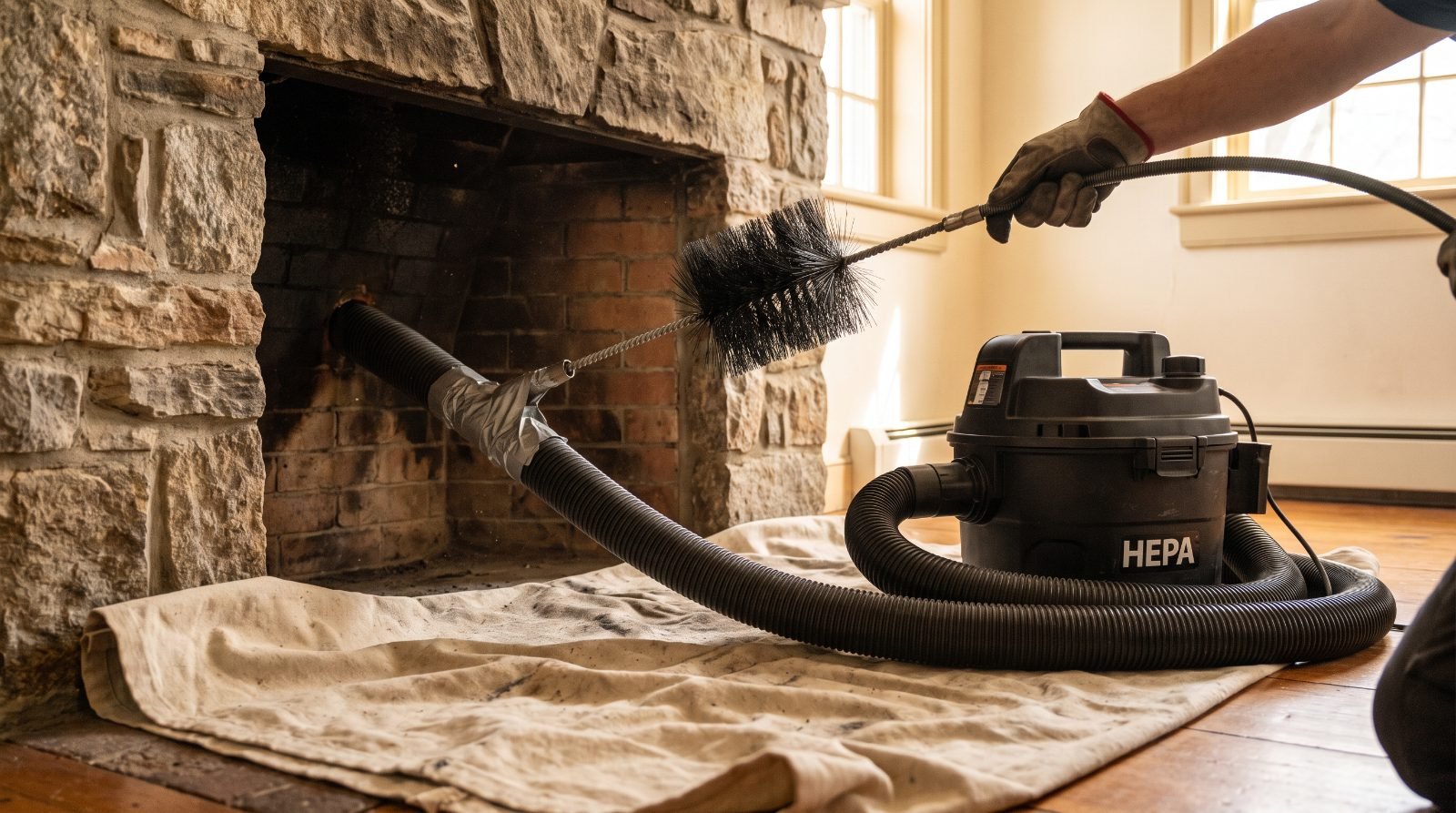
Creosote and soot out, with vacuum containment so nothing ends up on your floor. Before and after photographs of the flue.
Learn more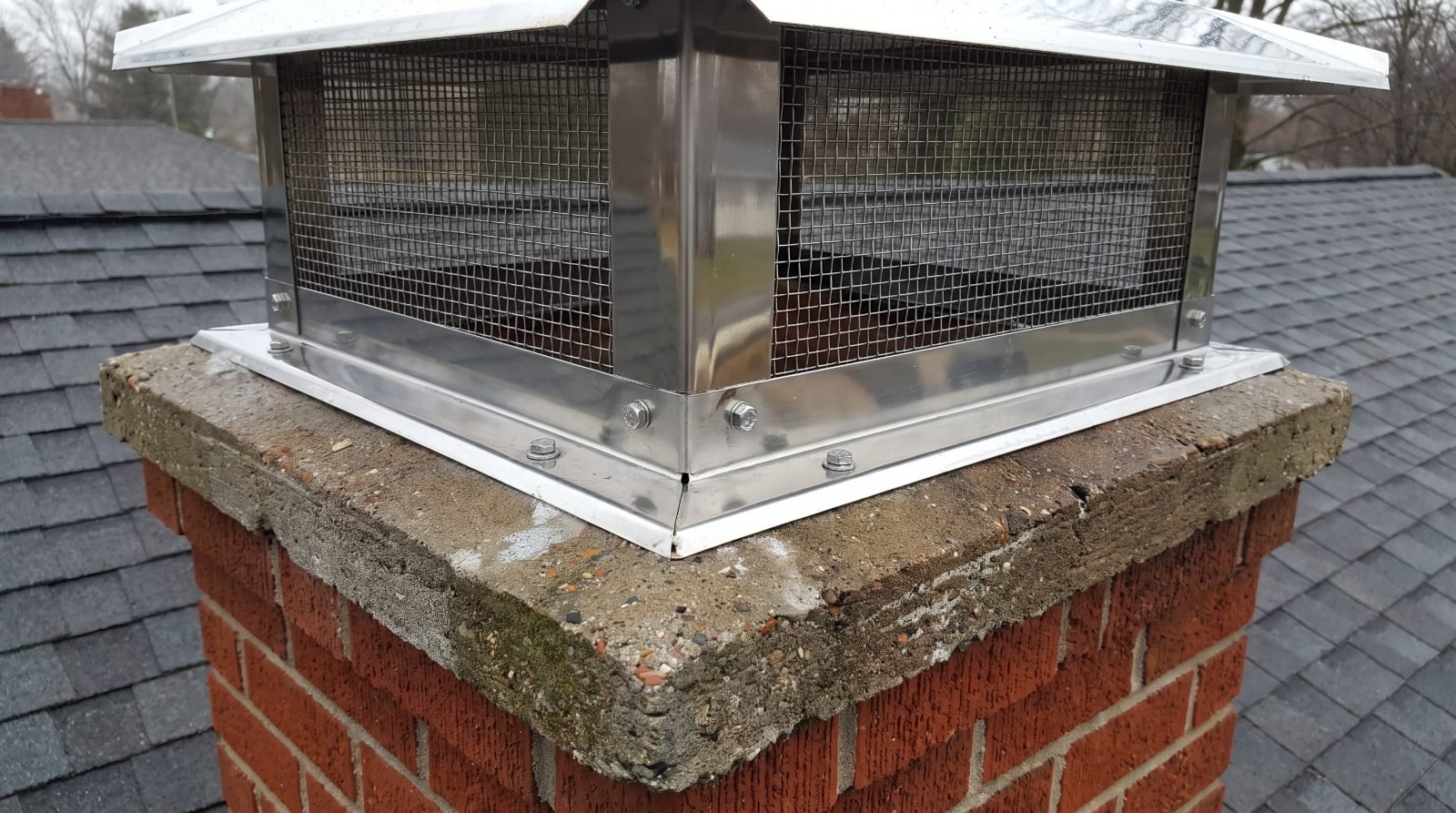
Stainless caps and custom multi-flue covers that keep rain, snow, birds and squirrels out of an open flue.
Learn more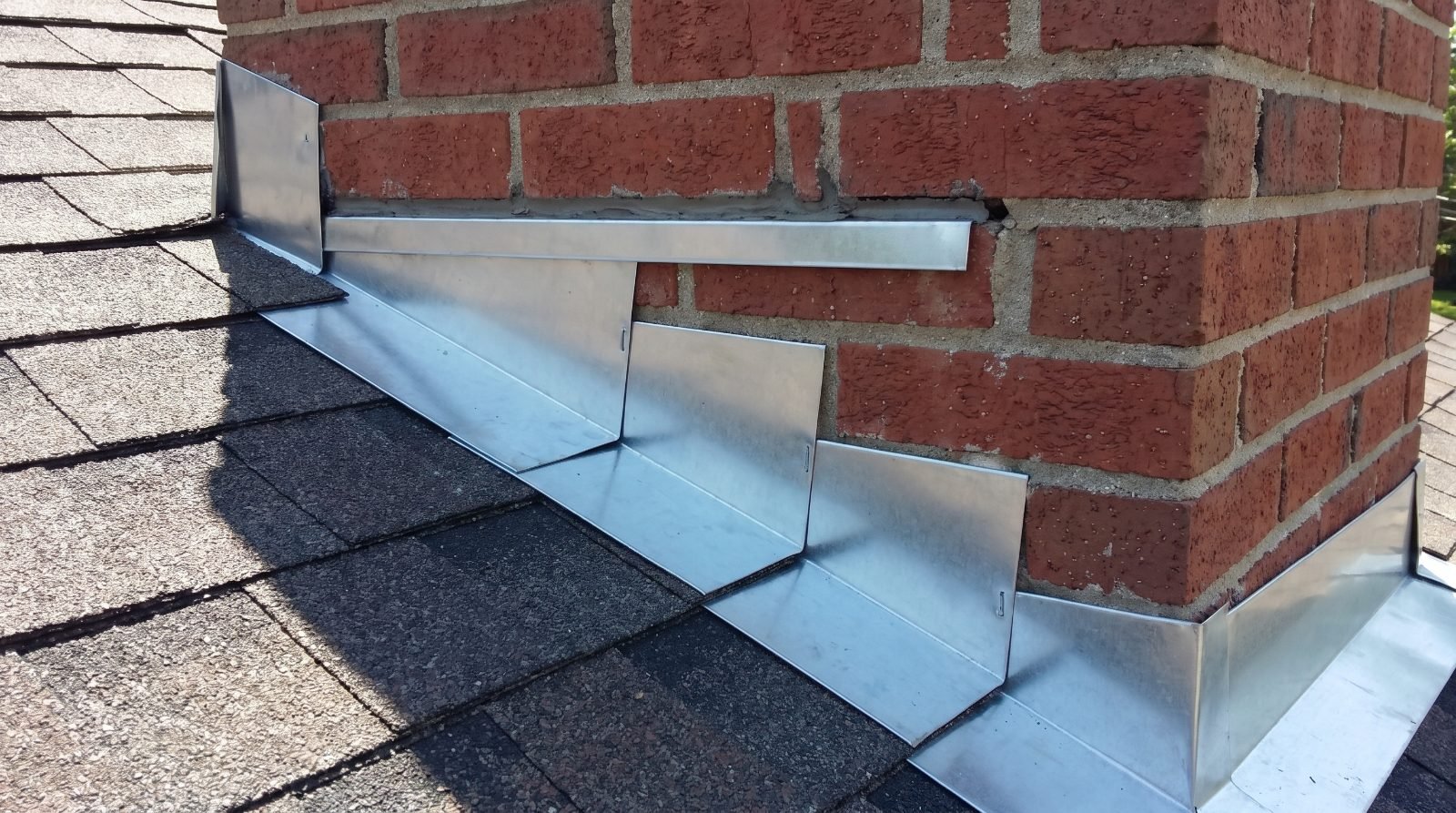
Stopping leaks where the chimney passes through the roof — with metal cut into the mortar joint, the way it is supposed to be done.
Learn more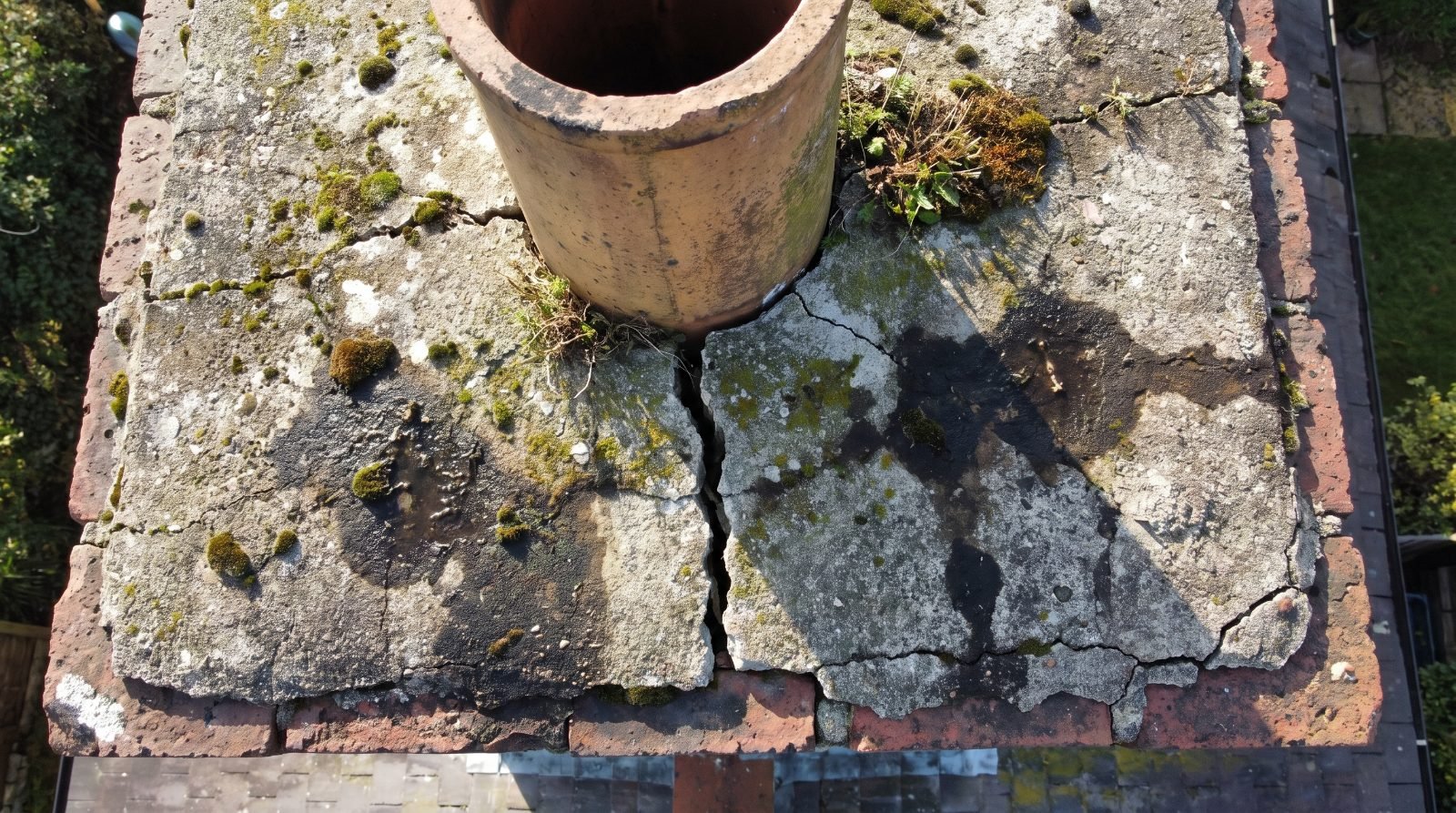
Repairing and recasting the concrete slab at the top of the chimney — the part that keeps water out of the masonry below it.
Learn moreUsually shared, and it depends on your deed. Practically, the part of the stack above the roof is normally maintained jointly, and the flues inside it belong to whichever house they serve. We photograph the whole stack and mark what serves which side, so both households are looking at the same picture rather than arguing from different ones.
In a pre-1900 city house, quite possibly not. Clay tile lining became common practice later, and plenty of houses here have bare brick flues that were fine for coal and are not fine for a modern gas appliance. A camera answers it in ten minutes.
For a sweep, a cap or a crown coat, no. For structural masonry work — rebuilding above the roofline, relining — normally yes, through PLI, and a historic district adds a review step. We handle the filing and tell you upfront if your address is in a district.
Most people call us because of a smell, a stain on the ceiling, or a home inspector's note they don't understand. Tell us what you're seeing and we'll tell you what it usually means — before anyone books anything.