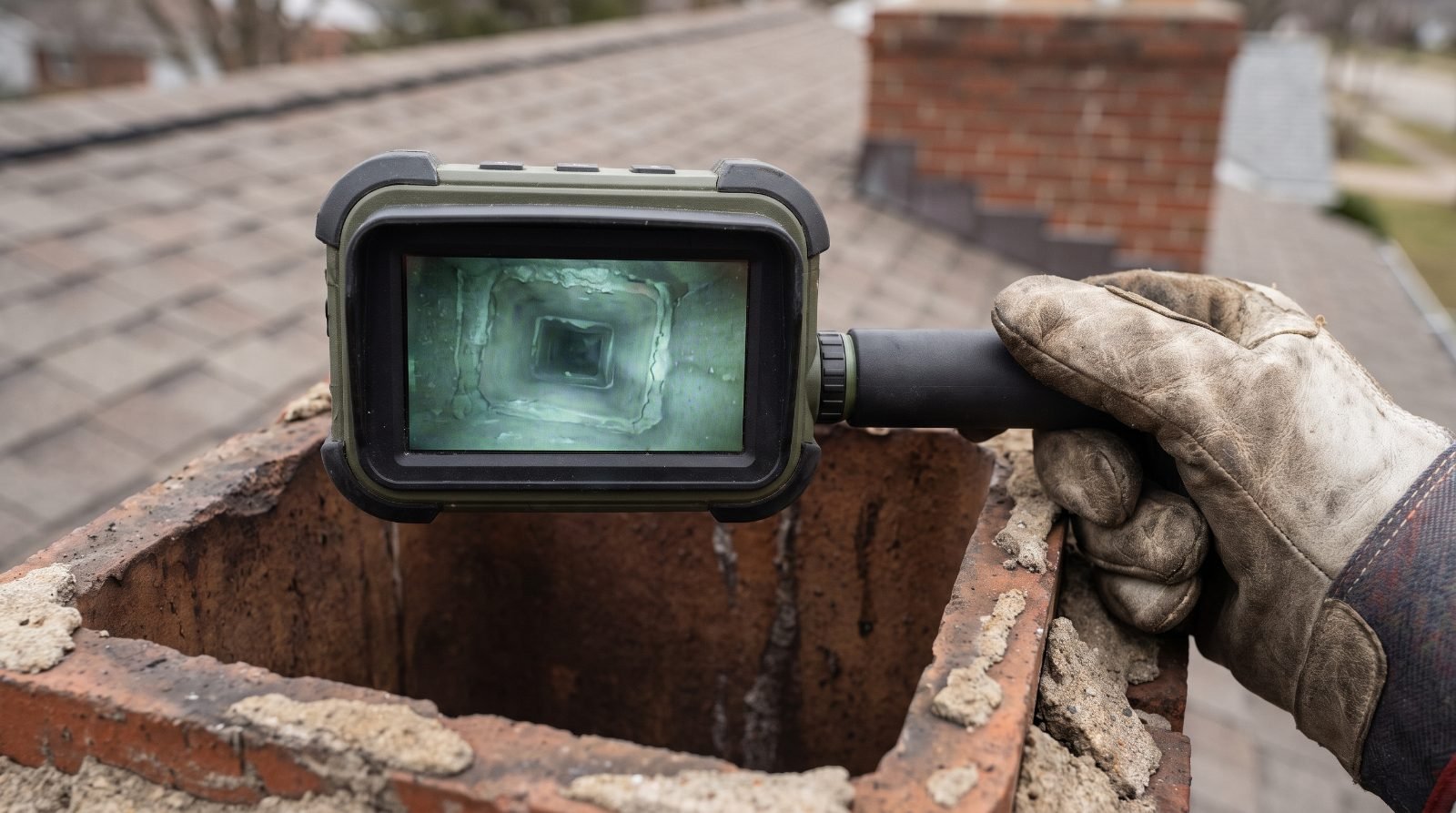
Chimney Inspection
A camera down the flue, a look at the roof and the firebox, and a written report with photographs of everything we find.
Learn more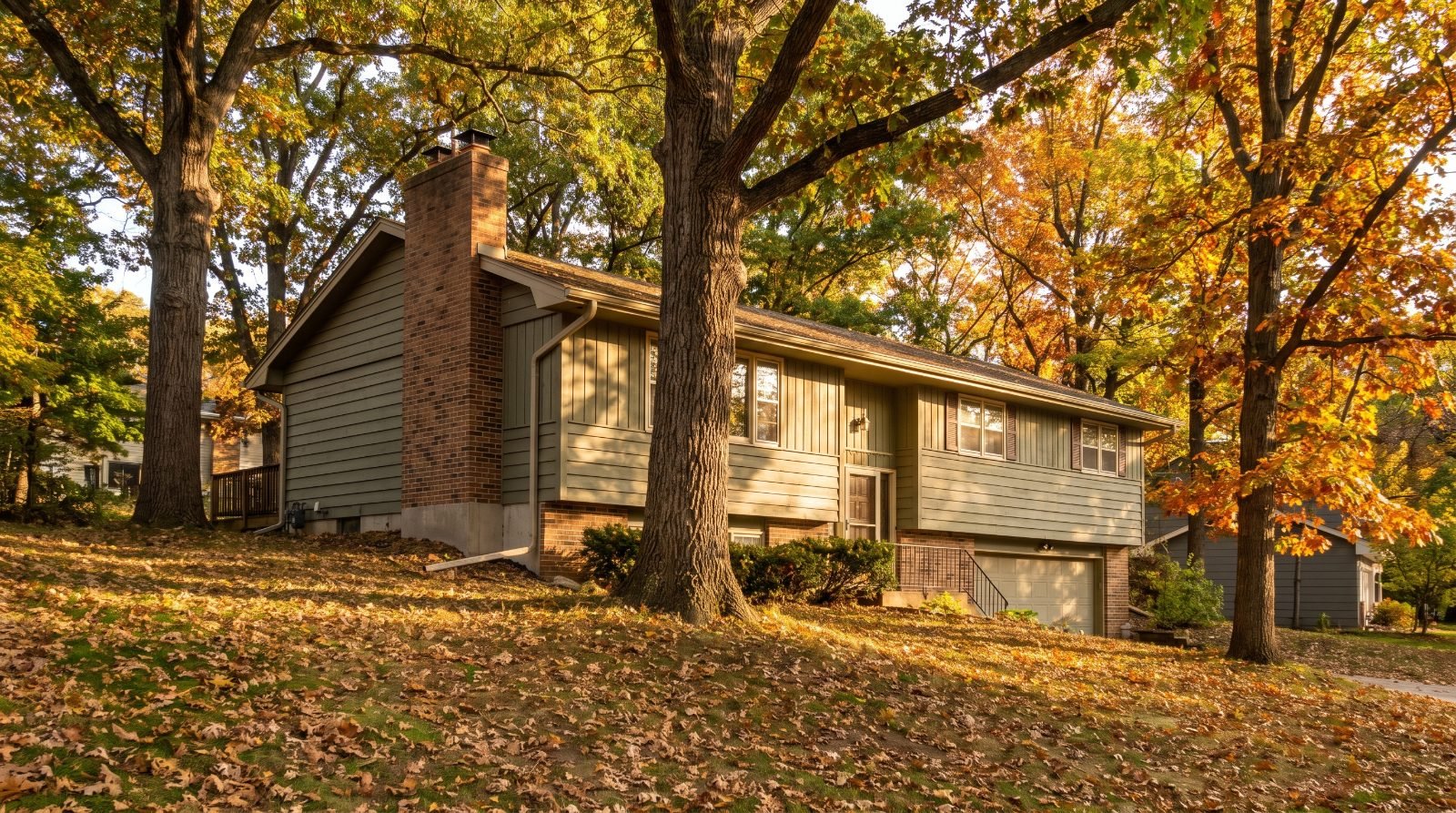
Service area
Two housing eras in one county: pre-war river boroughs and post-war suburban brick veneer, needing two different trades.
Outside the city limits, Allegheny County splits cleanly into two kinds of house, and knowing which one you have tells you most of what you need to know about your chimney.
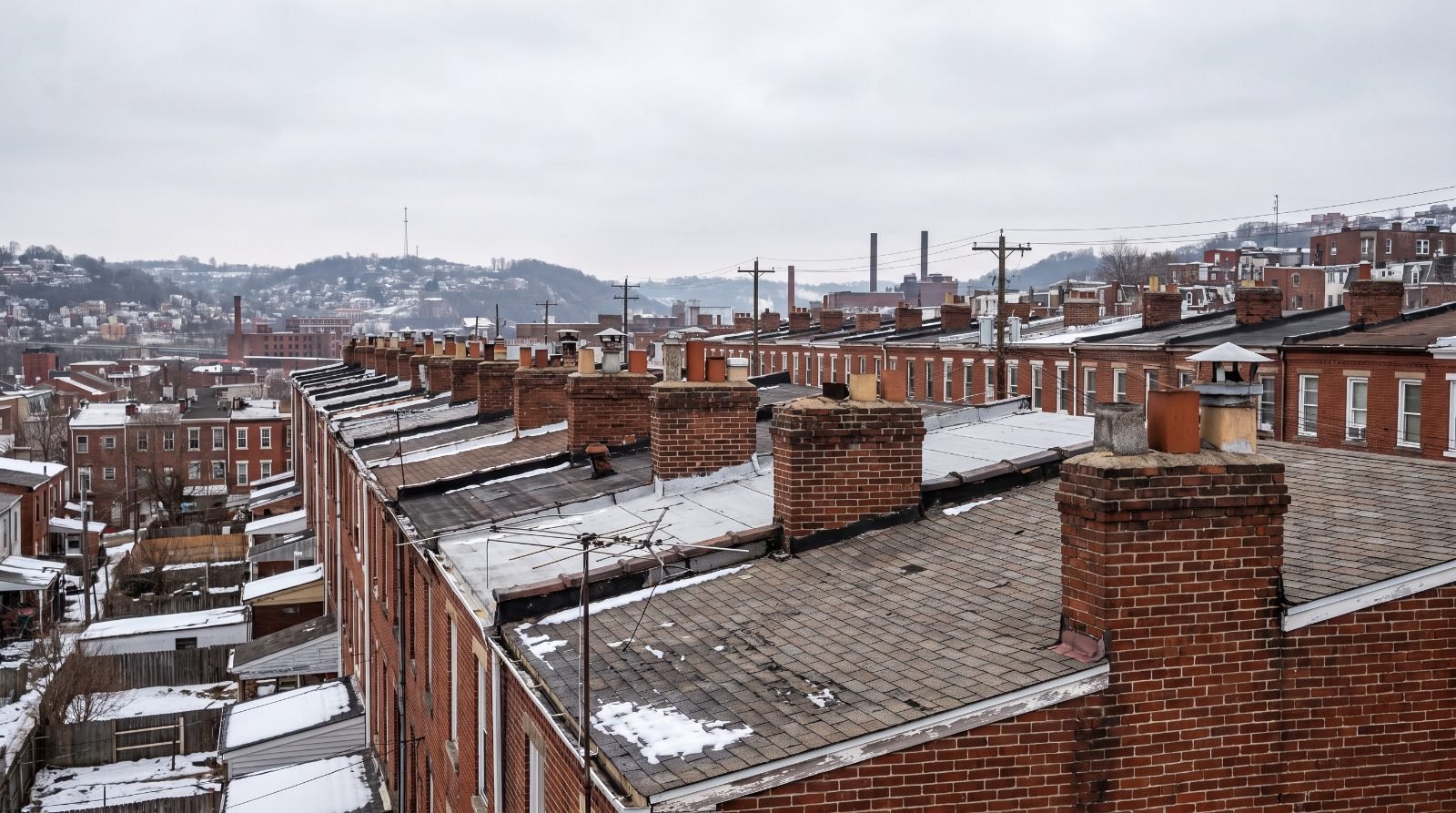
The older half is the streetcar and river boroughs — Sewickley, Carnegie, Wilkinsburg, Etna, Millvale, Bellevue, Swissvale, McKees Rocks. Solid-brick construction, roughly the same 1890–1930 window as the city, with the same converted coal flues and the same soft-mortar repointing requirements. The newer half is the post-war expansion: Mt. Lebanon's later streets, Upper St. Clair, Bethel Park, Ross, Shaler, Penn Hills, Monroeville, Plum. Frame houses with brick-veneer chimneys, built from the 1950s through the 1970s.
A post-war veneer chimney is a single wythe of brick over a frame structure — it looks like the solid masonry stack on a 1910 house, but it is a skin. When the crown cracks, water gets behind the brick into the framing rather than into a solid mass of masonry, and the damage is hidden and structural rather than visible and cosmetic. By the time the brick face is spalling on one of these, the sheathing behind it has often been wet for years. We open these up more cautiously than we do a solid stack, and we photograph the framing, because that is where the real news is.
A great many county houses have a fireplace that gets used four times a winter and a furnace or water heater venting into a second flue in the same chimney, running constantly from October to April. Homeowners book a sweep for the fireplace and never mention the other flue. It is the one that matters more: a blocked or deteriorated appliance flue is a carbon monoxide problem, not a fire one, and it does not announce itself. If you book with us we will ask what else vents into that stack, and it is worth having the answer.
Allegheny County has one of the most fragmented municipal structures in the country, and for structural chimney work that means the permit is pulled from the borough or township where the house sits, not from the county. Mt. Lebanon, Ross and Monroeville each run their own process with their own timeline. We deal with it as a matter of routine — it is worth mentioning only because it is the reason a straightforward job can take an extra week to start in some municipalities and not others.
Fox Chapel, O'Hara, Sewickley Heights, Upper St. Clair and much of the North Hills sit on wooded, sloped lots with mature tree cover. Overhanging trees are a specific chimney problem: leaf and needle fall into an uncapped flue, more moisture retention because the stack never gets sun to dry it out, and more animal traffic. Capping matters more here than almost anywhere else in the region, and it is usually the cheapest thing on the quote.
Not on the list? If you are within about 45 minutes of the city we almost certainly cover you — call and ask.
A camera down the flue, a look at the roof and the firebox, and a written report with photographs of everything we find.
Learn more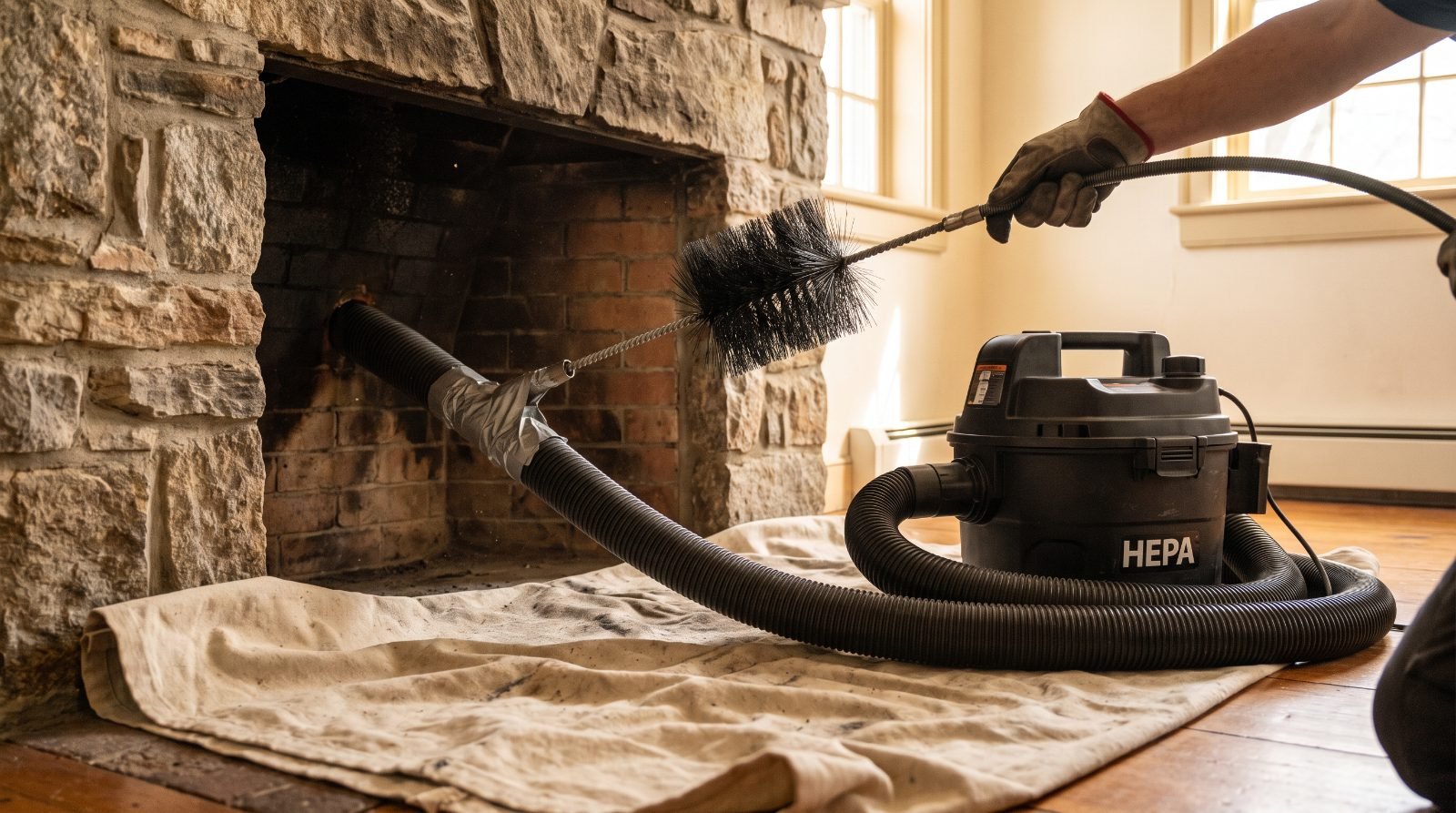
Creosote and soot out, with vacuum containment so nothing ends up on your floor. Before and after photographs of the flue.
Learn more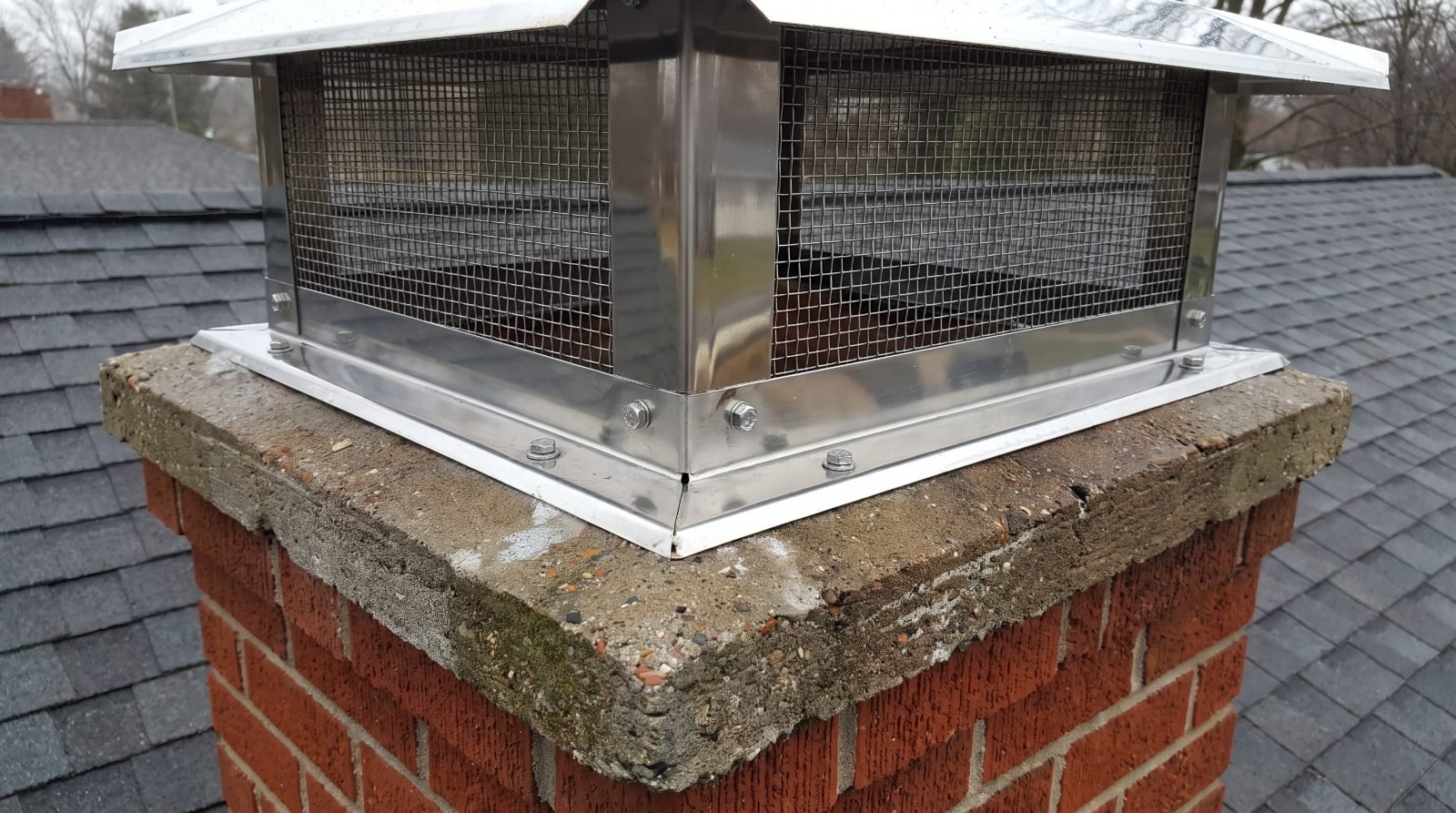
Stainless caps and custom multi-flue covers that keep rain, snow, birds and squirrels out of an open flue.
Learn more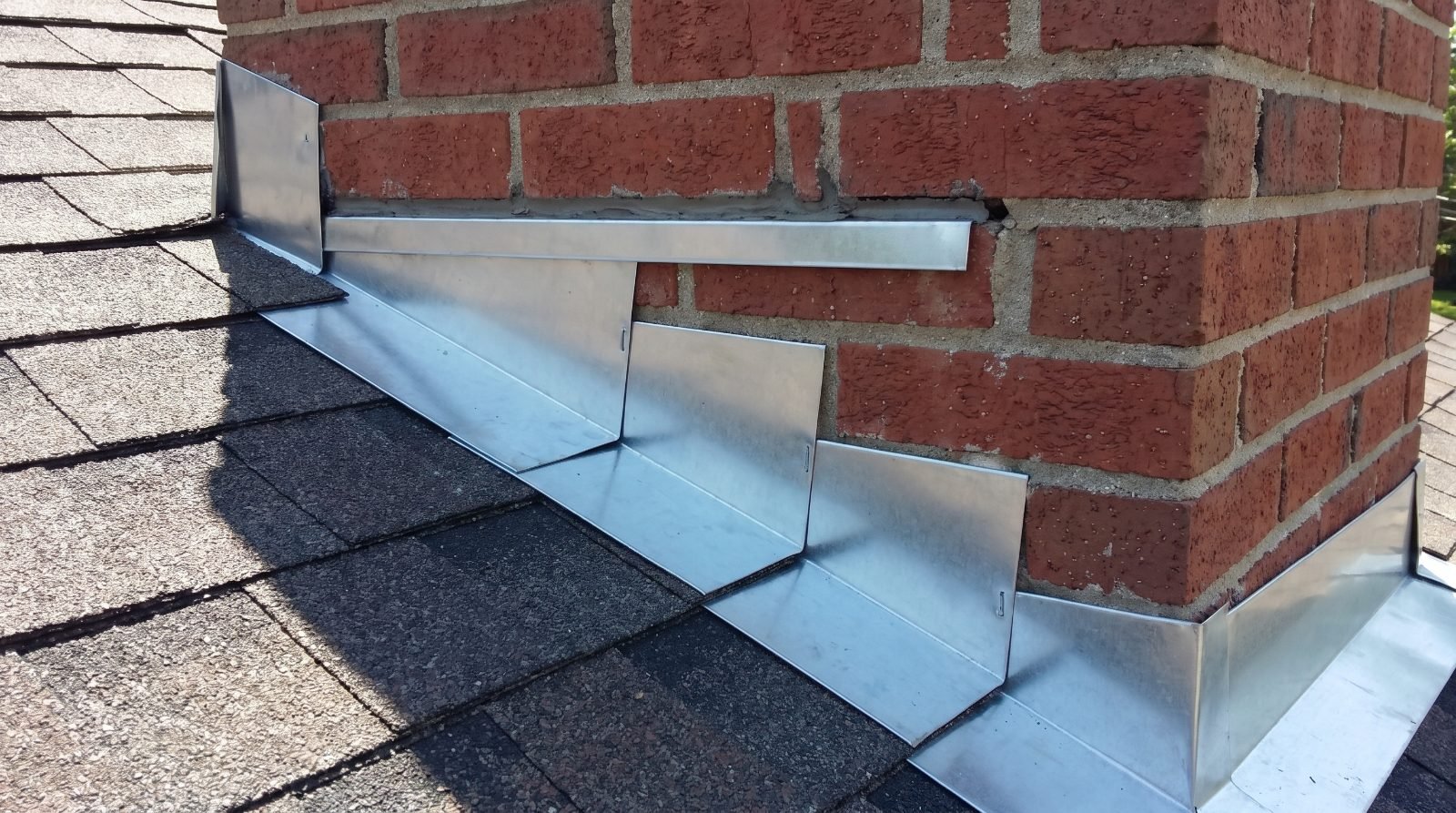
Stopping leaks where the chimney passes through the roof — with metal cut into the mortar joint, the way it is supposed to be done.
Learn more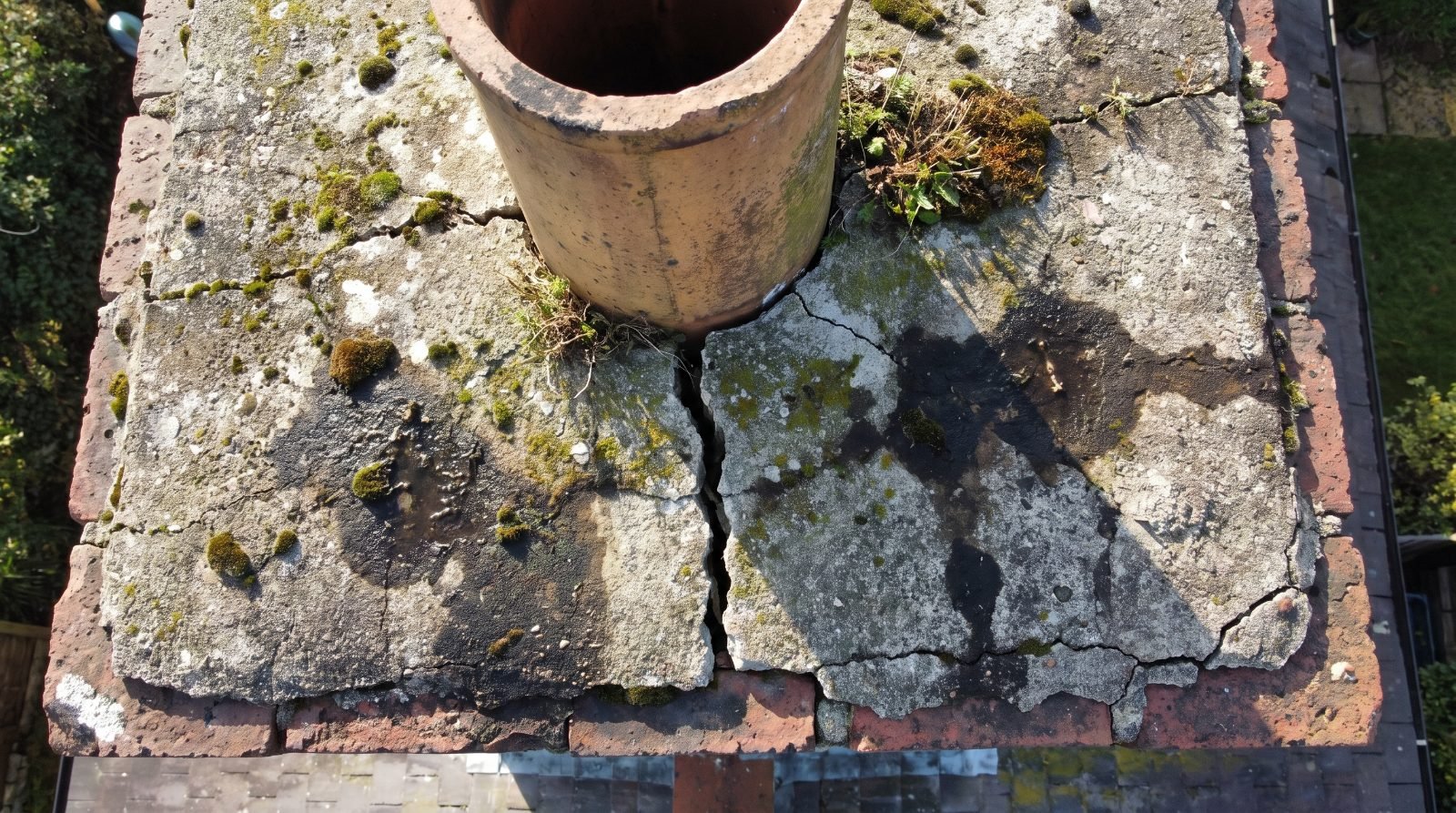
Repairing and recasting the concrete slab at the top of the chimney — the part that keeps water out of the masonry below it.
Learn moreVery often, yes, and it is one of the most common calls we get in this county. A lot of roofing crews re-lay shingles over the existing flashing and run a bead of sealant at the brick instead of cutting new counter flashing into the mortar joint. It holds through the first summer and fails in the first freeze. Ask your roofer whether the counter flashing was cut into the joint or surface-sealed — the answer tells you which repair you are looking at.
You can stop worrying about creosote, but not about water. An abandoned flue with no cap and a cracked crown keeps taking on water and the freeze-thaw damage continues regardless of whether anything is burning. The cheap answer on a truly dead chimney is to cap and seal it, which costs a few hundred dollars and stops the decay.
No. Anywhere in the six counties we cover is priced the same. If you are outside them we will say so rather than quietly adding travel.
Most people call us because of a smell, a stain on the ceiling, or a home inspector's note they don't understand. Tell us what you're seeing and we'll tell you what it usually means — before anyone books anything.