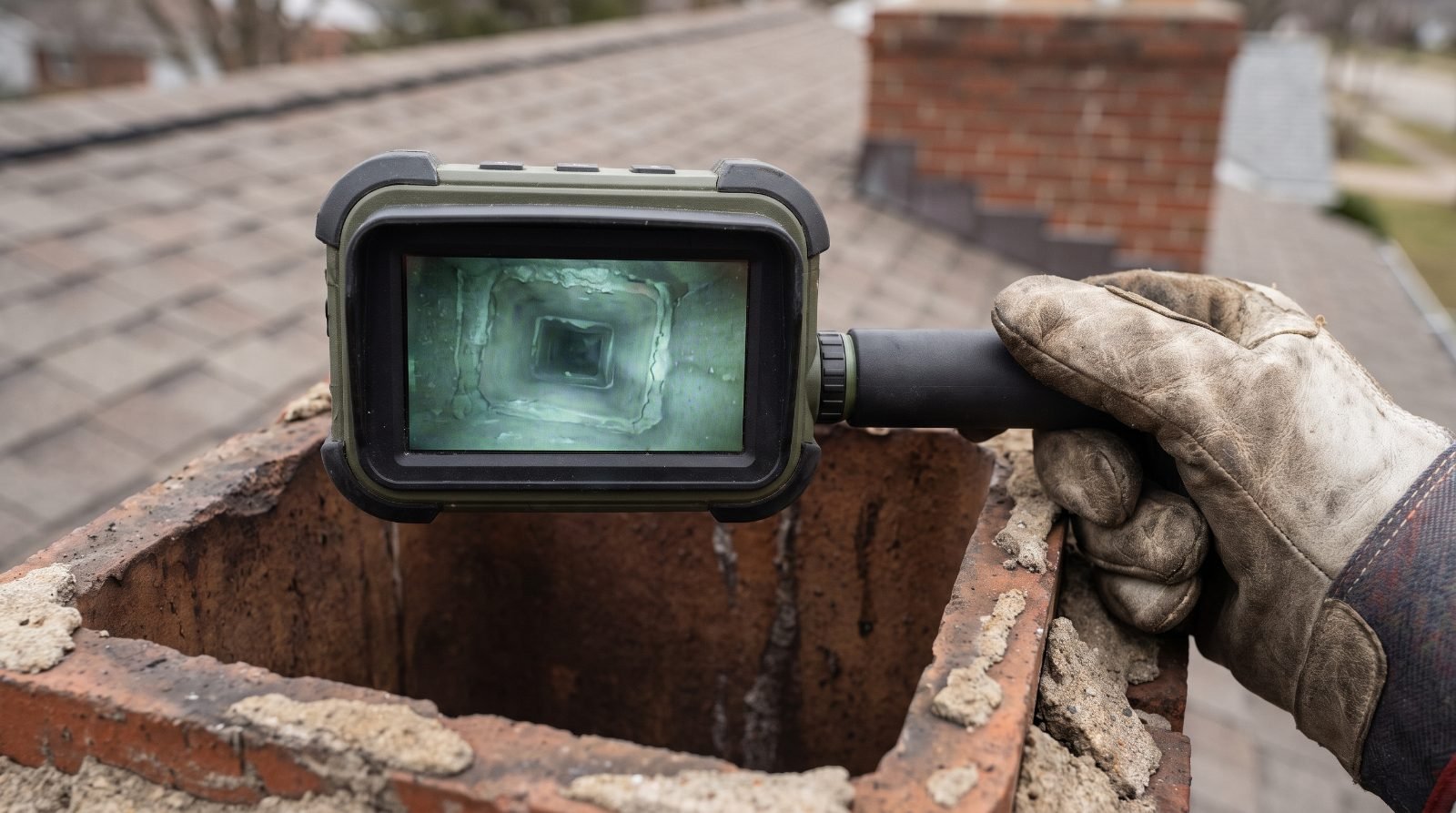
Chimney Inspection
A camera down the flue, a look at the roof and the firebox, and a written report with photographs of everything we find.
Learn more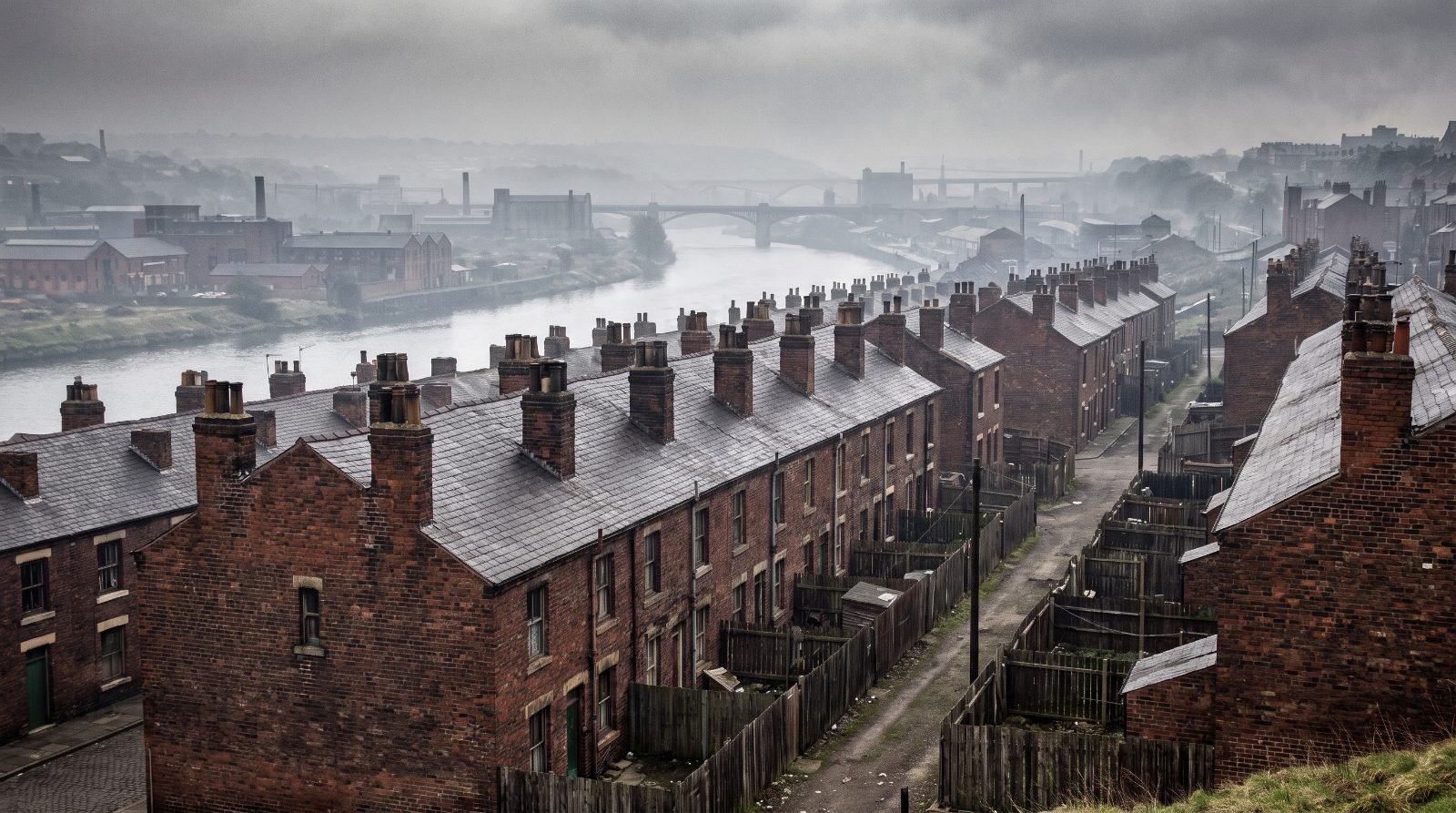
Service area
Dense mill-era housing along the Ohio and Beaver rivers, much of it still on its original flue.
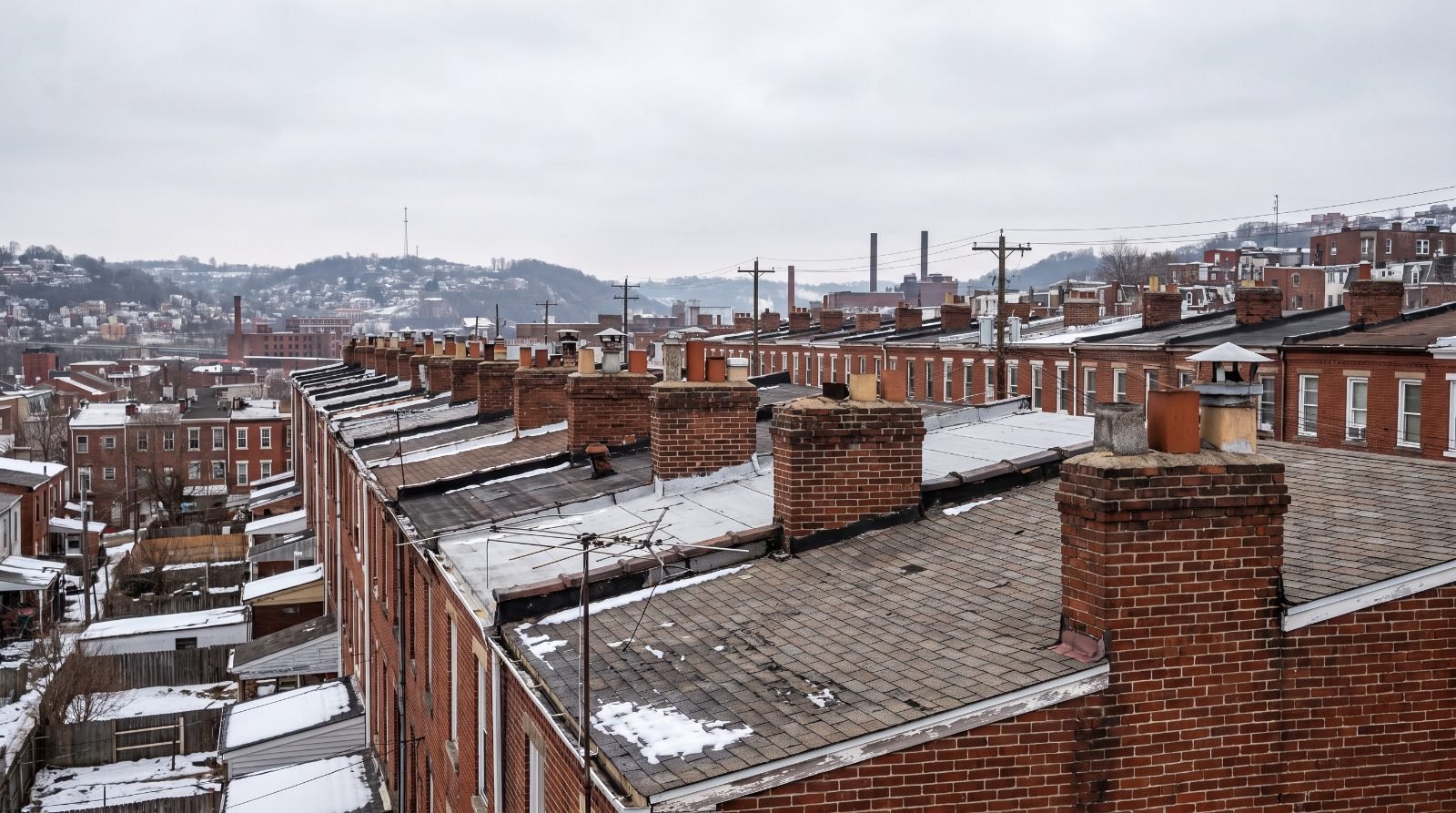
Beaver County's housing is mill housing, and most of it went up in a compressed window between roughly 1900 and 1940 to house workers at the steel and tube plants along the Ohio and Beaver rivers. Ambridge, Aliquippa, Monaca, Beaver Falls, Rochester and Freedom are dense, close-set, and built almost entirely in brick.
That means an unusually high concentration of chimneys of the same age, built to the same standard, doing the same job — and now hitting the same problems at the same time. The typical Beaver County finding is a chimney that has never been relined, has a mortar wash rather than a cast crown, and is venting a gas furnace installed decades after the house was built.
The Ohio and Beaver river valleys hold humidity, and masonry that stays damp does not get the drying-out periods that limit freeze-thaw damage elsewhere. A chimney that never fully dries between rains carries more water into every freeze, and each cycle does more work. It also means chimney odour complaints are more common here in summer — damp creosote in a humid flue is exactly the condition that produces the smell people describe as a barbecue in the living room.
This is the finding that dominates in the county. A brick chimney built for a coal furnace, converted to gas or oil somewhere between the 1940s and 1970s, never relined. The flue is far too large for the appliance, so the exhaust cools and condenses on the way up, and that condensate is acidic. It erodes mortar joints from inside the flue where nobody looks. Over decades that produces gaps between the flue and the surrounding brick, which in the worst case means combustion gases can reach the interior of the house. It is a carbon monoxide risk rather than a fire risk, it is invisible, and a camera finds it in fifteen minutes. If your house is pre-war and the chimney has never been relined, this is the inspection to get.
Ambridge, Aliquippa and Rochester have narrow lots, shared driveways and houses close enough together that where the ladder goes is a real question. We ask about access when booking rather than discovering it on the day, and on some streets that means staging from the front or coordinating with a neighbour. It changes the schedule more than it changes the price.
A good number of houses in the county have sat vacant or lightly occupied at some point, and an unoccupied house with an uncapped chimney accumulates everything — nests, debris, water, sometimes a collapsed liner. If you have bought a property that has been empty, do not light anything until the flue has been looked at. That is not a sales line; it is the single most common way people find out the hard way that a flue is blocked.
Not on the list? If you are within about 45 minutes of the city we almost certainly cover you — call and ask.
A camera down the flue, a look at the roof and the firebox, and a written report with photographs of everything we find.
Learn more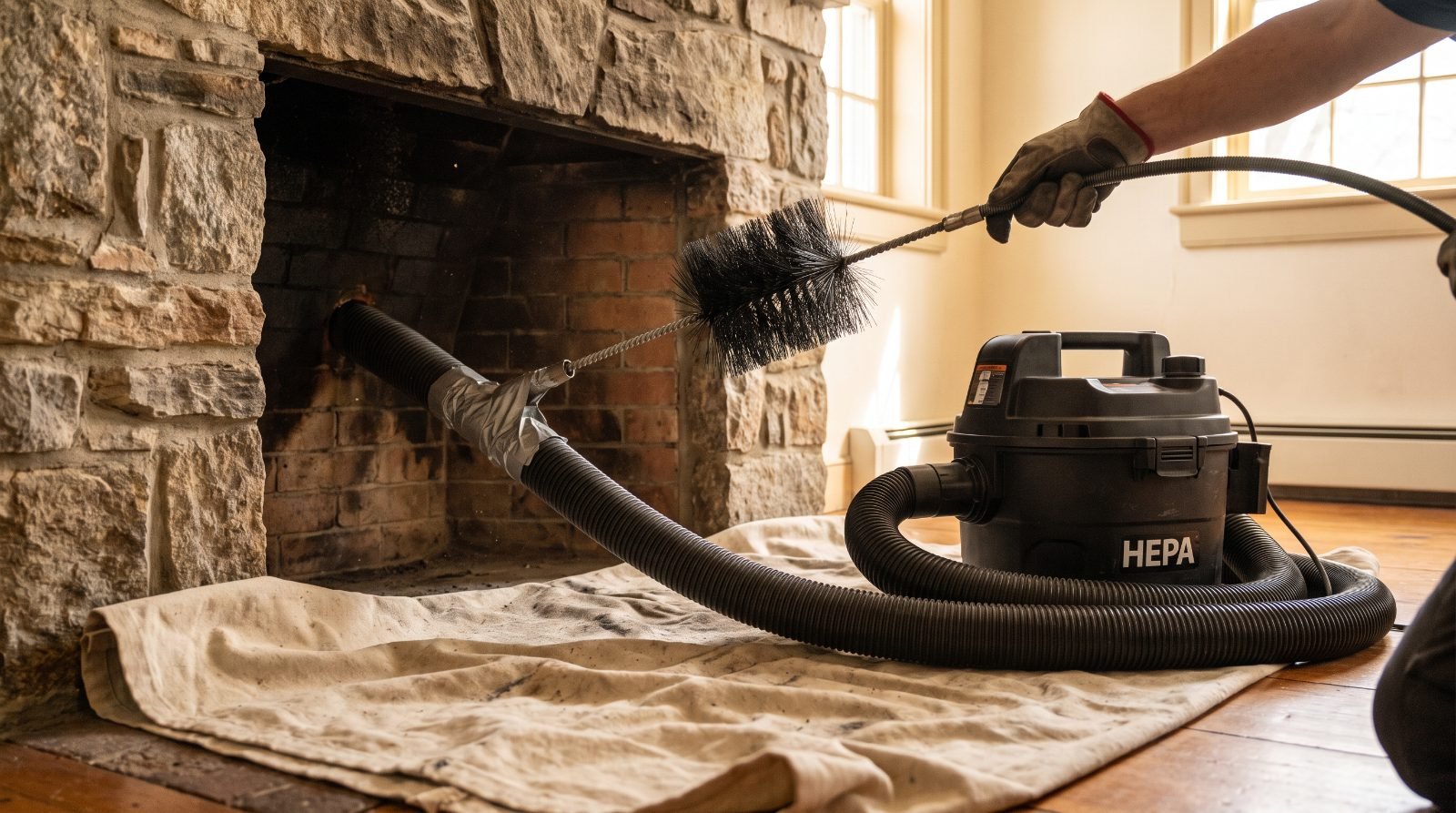
Creosote and soot out, with vacuum containment so nothing ends up on your floor. Before and after photographs of the flue.
Learn more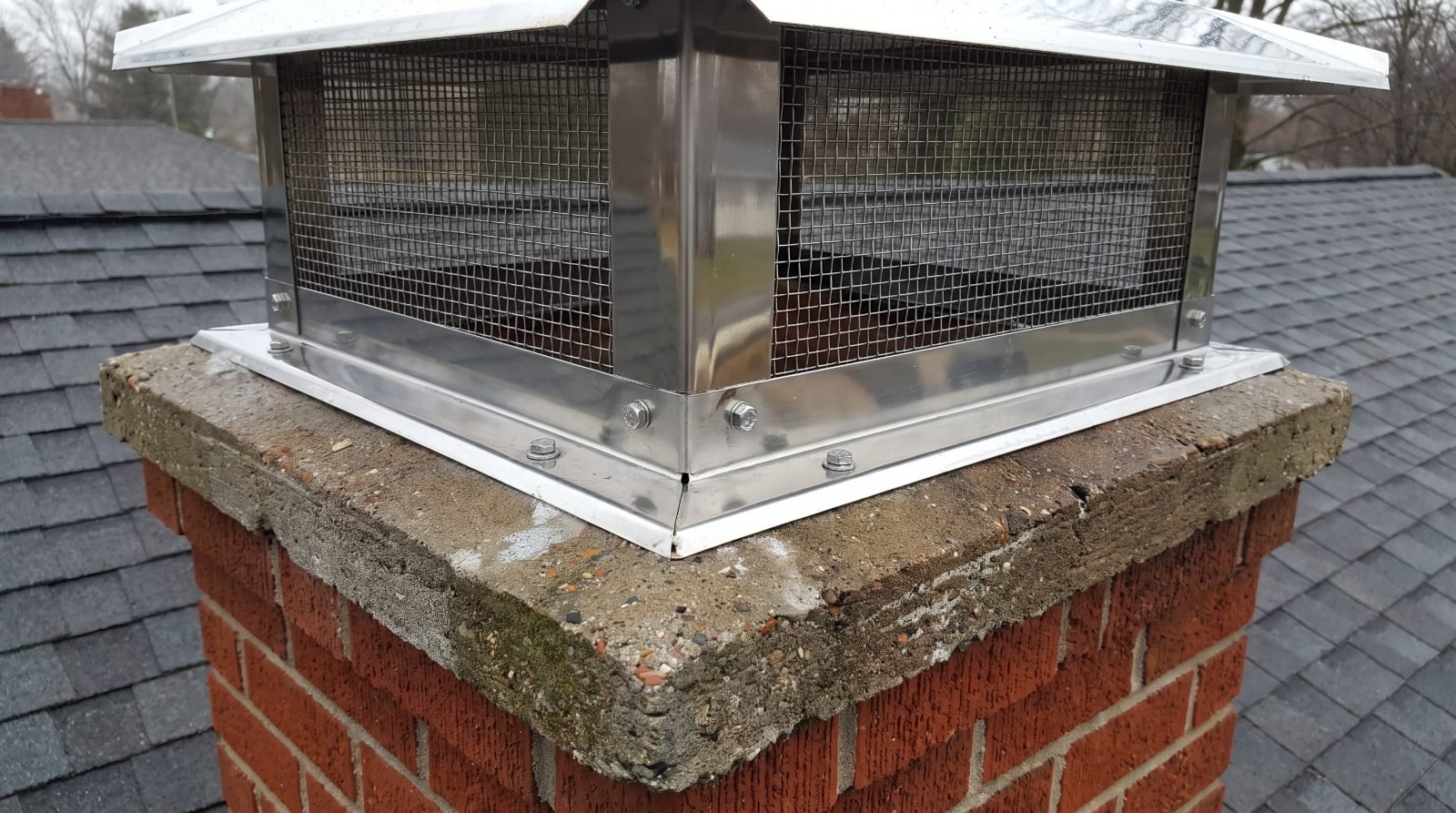
Stainless caps and custom multi-flue covers that keep rain, snow, birds and squirrels out of an open flue.
Learn more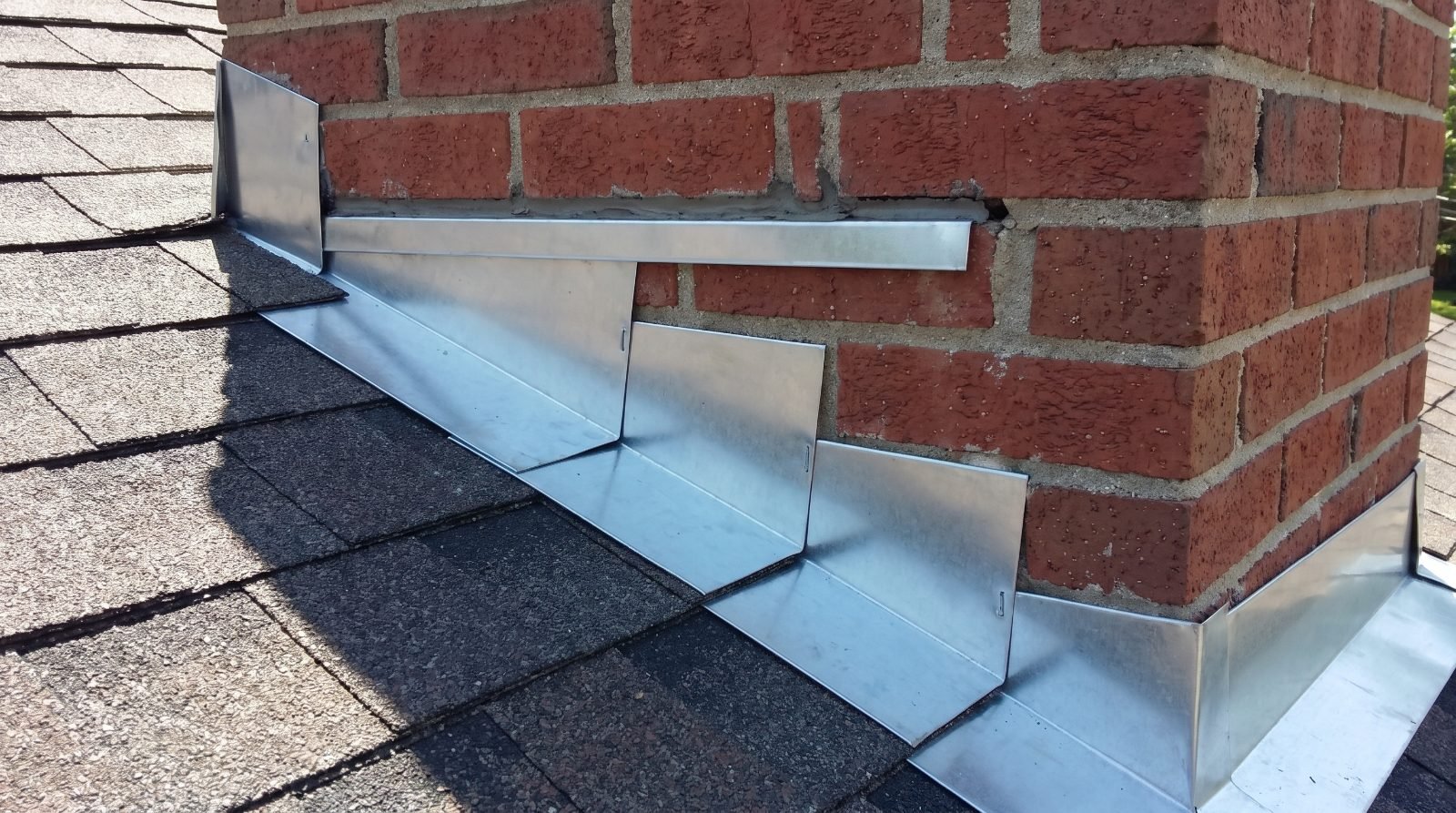
Stopping leaks where the chimney passes through the roof — with metal cut into the mortar joint, the way it is supposed to be done.
Learn more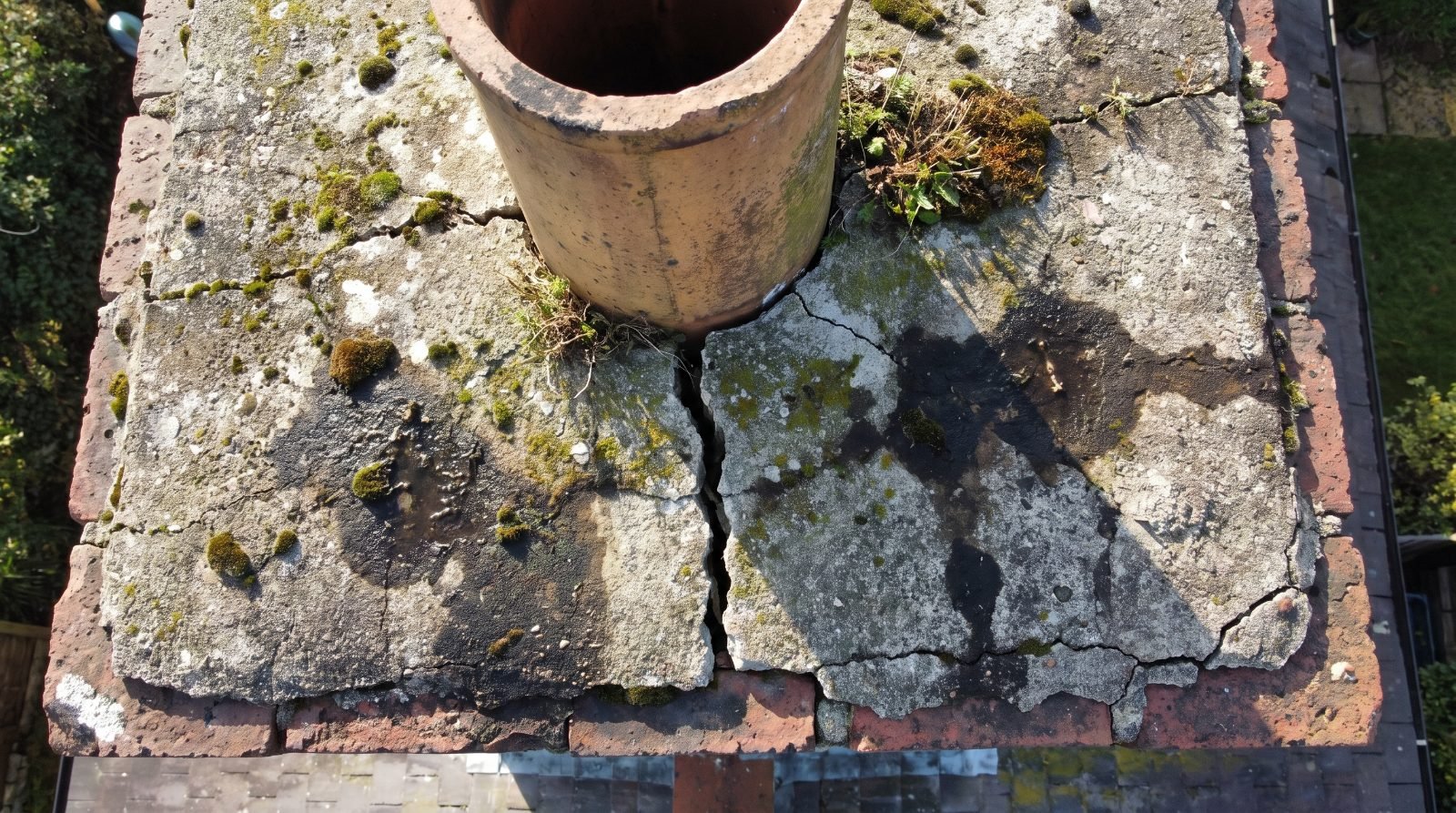
Repairing and recasting the concrete slab at the top of the chimney — the part that keeps water out of the masonry below it.
Learn moreA Level 2 inspection with a camera, before anything gets lit and ideally before the heating gets turned on for the season. Vacant houses collect blockages, and a blocked furnace flue in an occupied house is the dangerous version of this. It is an hour and a couple of hundred dollars and it is the right first call.
Typically $2,500 to $5,500 for a stainless liner in a residential chimney, depending on height, diameter, whether the flue is straight or offset, and whether the old clay tile has to come out. It is the largest common job in this trade, which is exactly why we will not quote it without a camera survey and why you should get a second opinion on any relining quote.
It is not illegal to own one, but it does not meet current code for venting a modern appliance, and it will be flagged in any Level 2 inspection and in most real estate transactions. The practical question is not legality, it is whether combustion gases have a sealed path out of your house. On an old unlined flue the honest answer is often no.
Most people call us because of a smell, a stain on the ceiling, or a home inspector's note they don't understand. Tell us what you're seeing and we'll tell you what it usually means — before anyone books anything.